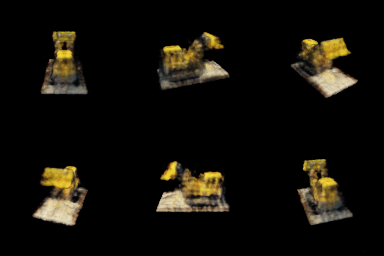
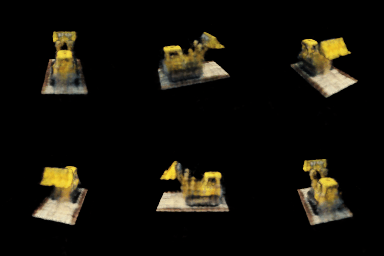
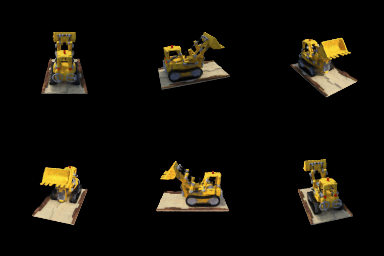
Assignment 3
Neural Volume Rendering and Surface Rendering
A. Neural Volume Rendering (80 points)
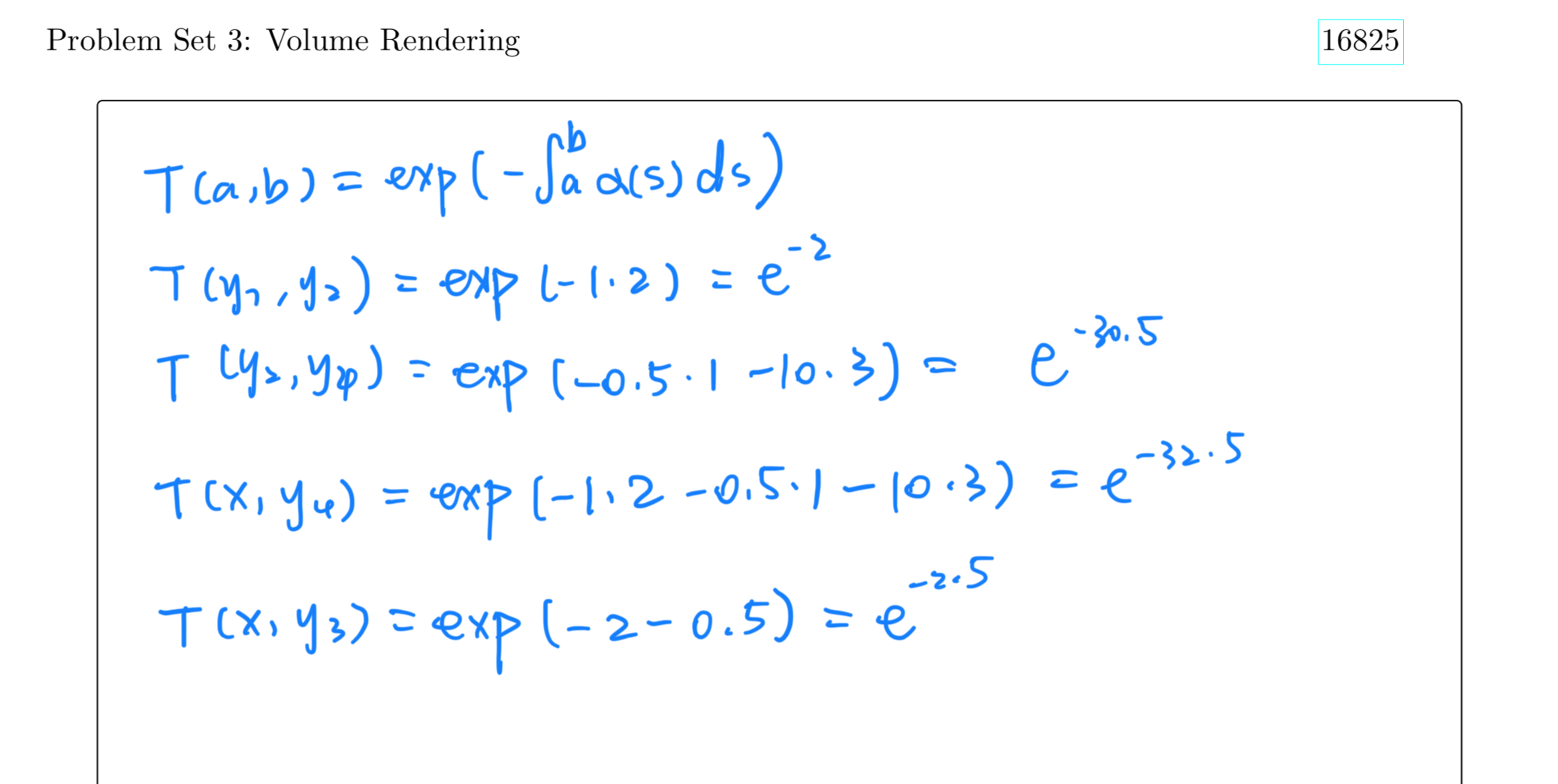
0. Transmittance Calculation (10 points)
1. Differentiable Volume Rendering
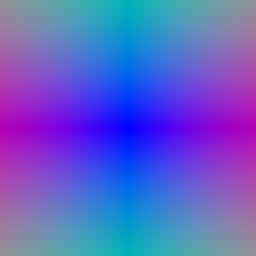
1.3. Ray sampling (5 points)
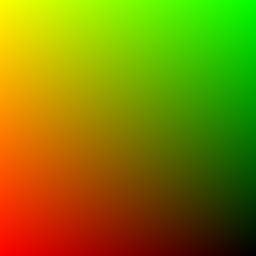
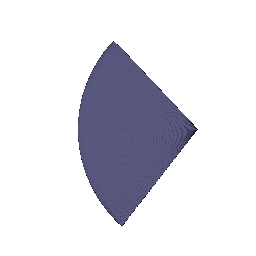
1.4. Point sampling (5 points)
1.5. Volume rendering (20 points)
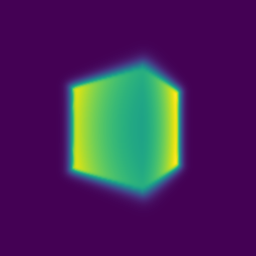
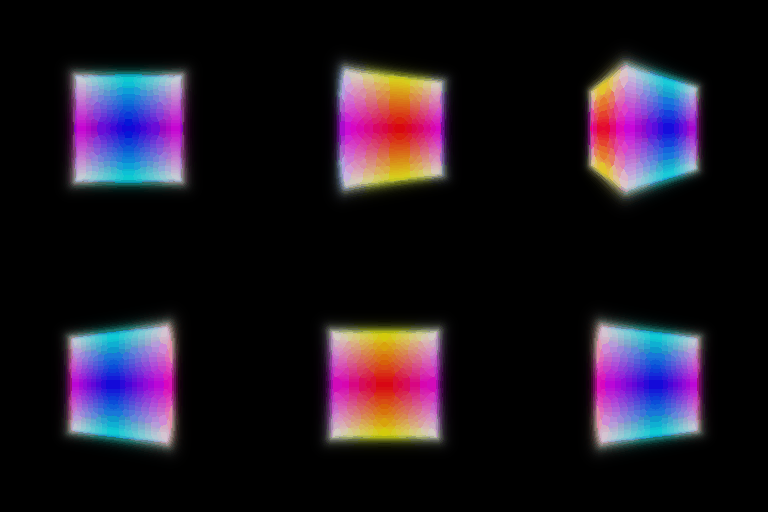
2. Optimizing a basic implicit volume
2.3. Visualization
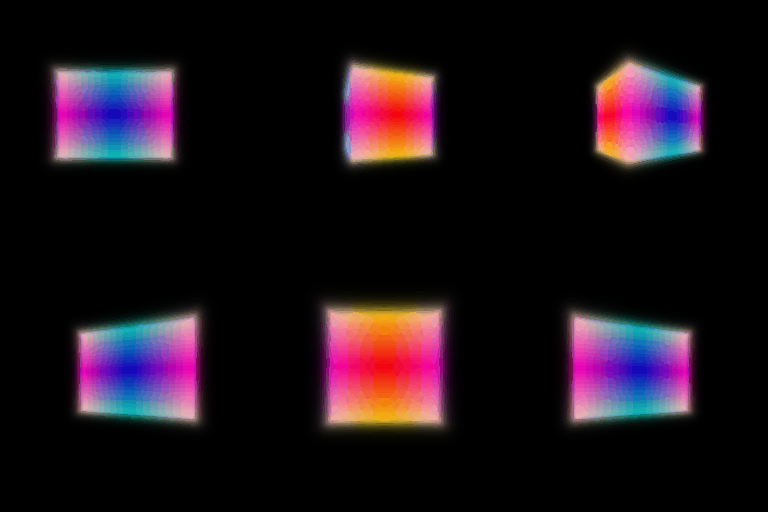
3. Optimizing a Neural Radiance Field (NeRF) (20 points)
Visualization
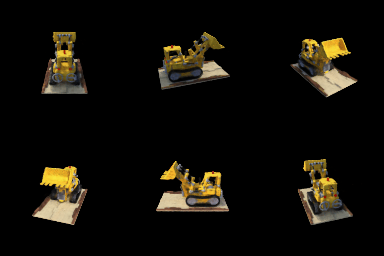
4. Optimizing a Neural Radiance Field (NeRF) (20 points)
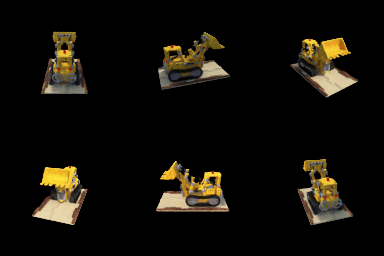
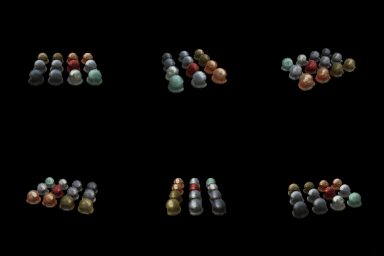
4.1 View Dependence (10 points)
B. Neural Surface Rendering (50 points)
5. Sphere Tracing (10 points)
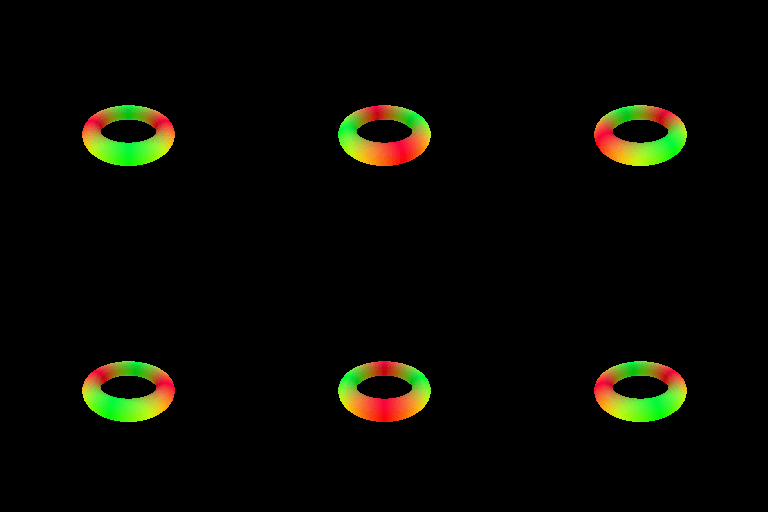
6. Optimizing a Neural SDF (15 points)
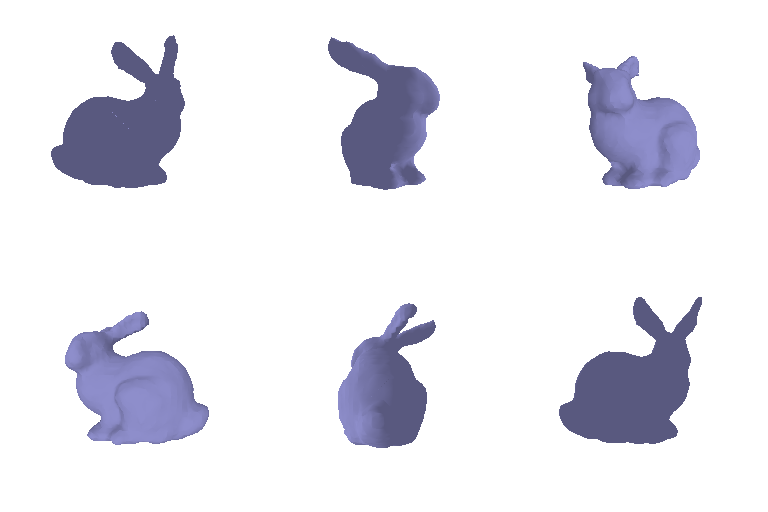
7. VolSDF (15 points)
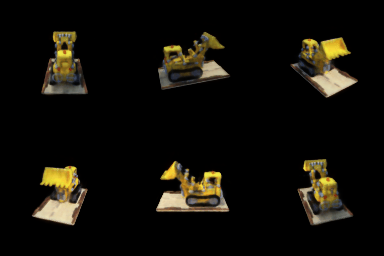
1. How does high beta bias your learned SDF? What about low beta?
High β makes the mapping from distance to density smoother, meaning that points far from the surface still contribute density. So the network tends to learn a more blurred surface. Low β makes the mapping steeper, so only points very close to the surface have high density. The surface becomes sharper and more precise, but it also makes optimization harder.
2. an SDF be easier to train with volume rendering and low beta or high beta? Why?
Using higher β is easier. Because lower β causes gradient vanishing away from surface
3. Would you be more likely to learn an accurate surface with high beta or low beta? Why?
Low β makes the mapping steeper, so only points very close to the surface have high density, which makes the surface more precise.
8. Neural Surface Extras (CHOOSE ONE! More than one is extra credit)
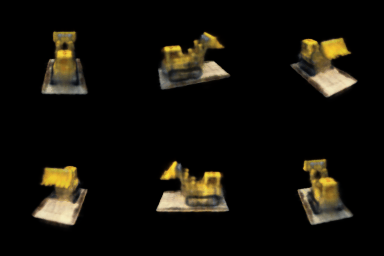
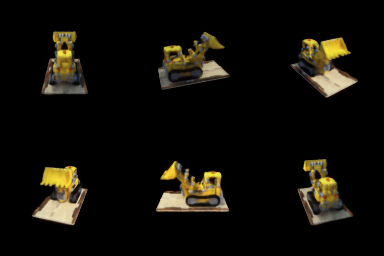
8.2 Fewer Training Views (10 points)
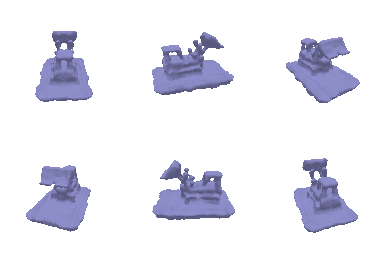
For the similar type of solution, fewer views result in more blurry reconstruction. The VolSDF seems more sensitive to number of views than NeRF.
NeRF
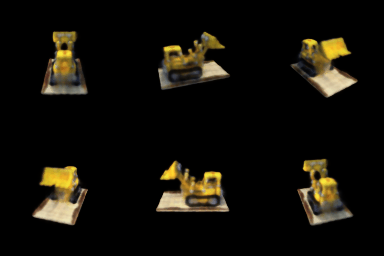
VolSDF