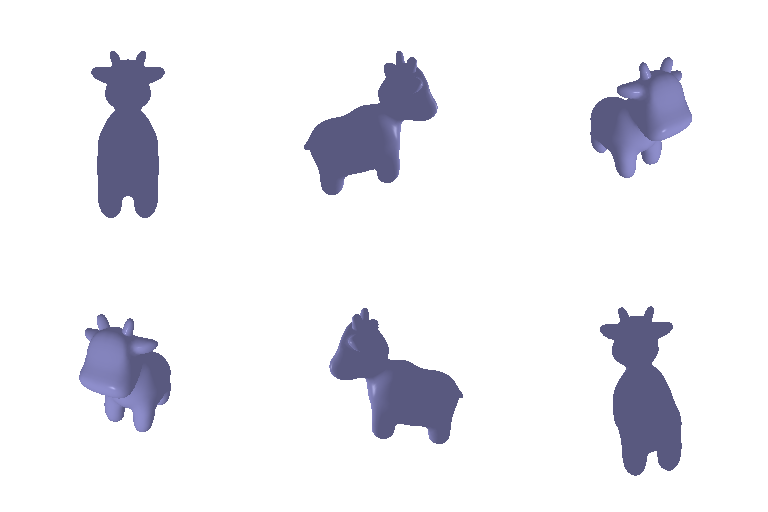
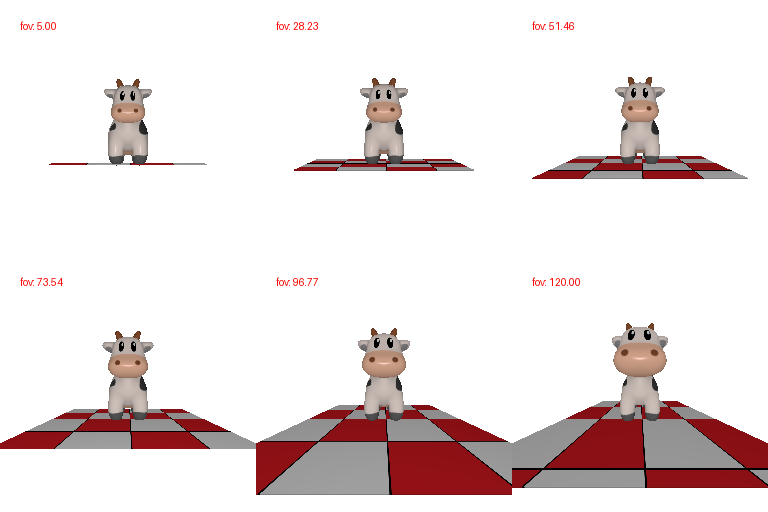
Vertices: 4. Triangle faces: 4.

Vertices: 8. Triangle faces: 12 (2 per square face).
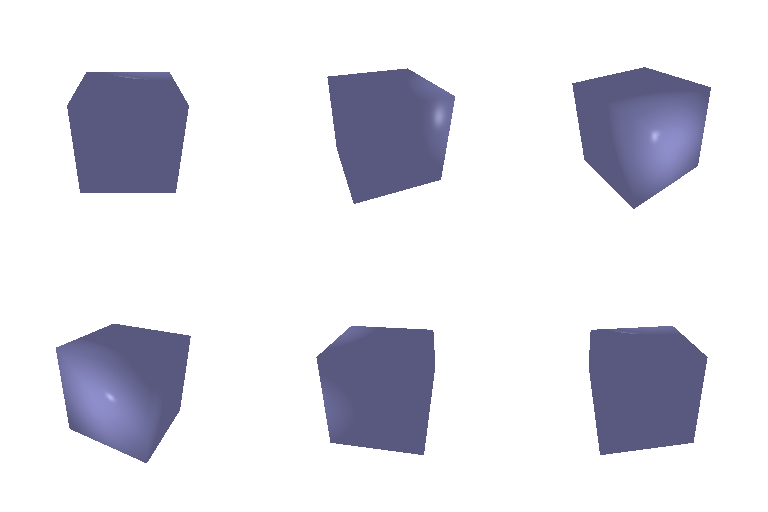
color1 = [0, 0, 1] (blue) at the front of the cow (smallest z), color2 = [1, 0, 0] (red) at the back (largest z). Each vertex is colored by linear interpolation of its z-coordinate between the two.

Base camera: R_0 = I, T_0 = [0, 0, 3]; new camera: R = R_relative @ R_0, T = R_relative @ T_0 + T_relative.
4.1 (transform1): R_relative = [[0, 1, 0], [-1, 0, 0], [0, 0, 1]], T_relative = [0, 0, 0].
R_relative rotates the camera 90° about its own viewing (z) axis, so the cow appears rotated 90° clockwise in the image. The cow lies on this axis, so no translation is needed to keep it centered.
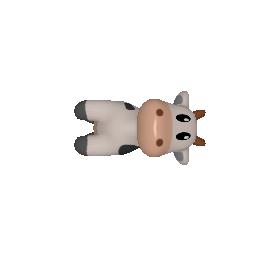
4.2 (transform2): R_relative = [[0, 0, 1], [0, 1, 0], [-1, 0, 0]], T_relative = [-3, 0, 3].
R_relative rotates the camera 90° about the vertical (y) axis so the cow is seen from the side. On its own this also moves the cow out of view (R_relative @ T_0 = [3, 0, 0]); T_relative cancels that so T = [0, 0, 3] again.
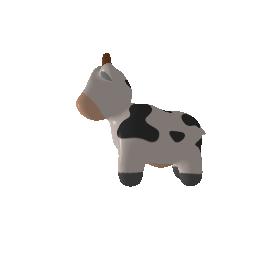
4.3 (transform3): R_relative = I, T_relative = [0, 0, 2].
No rotation. T becomes [0, 0, 5], which moves the camera 2 units farther back along its viewing axis, so the cow looks smaller.
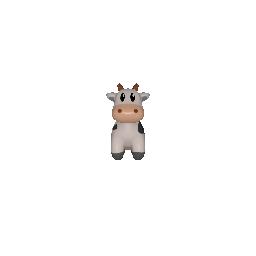
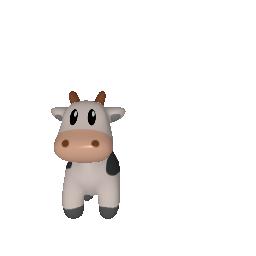
4.4 (transform4): R_relative = I, T_relative = [0.5, -0.5, 0].
No rotation. The cow is shifted by +0.5 along the camera's x axis (left in PyTorch3D) and -0.5 along its y axis (down), so the cow appears off-center in the lower left.
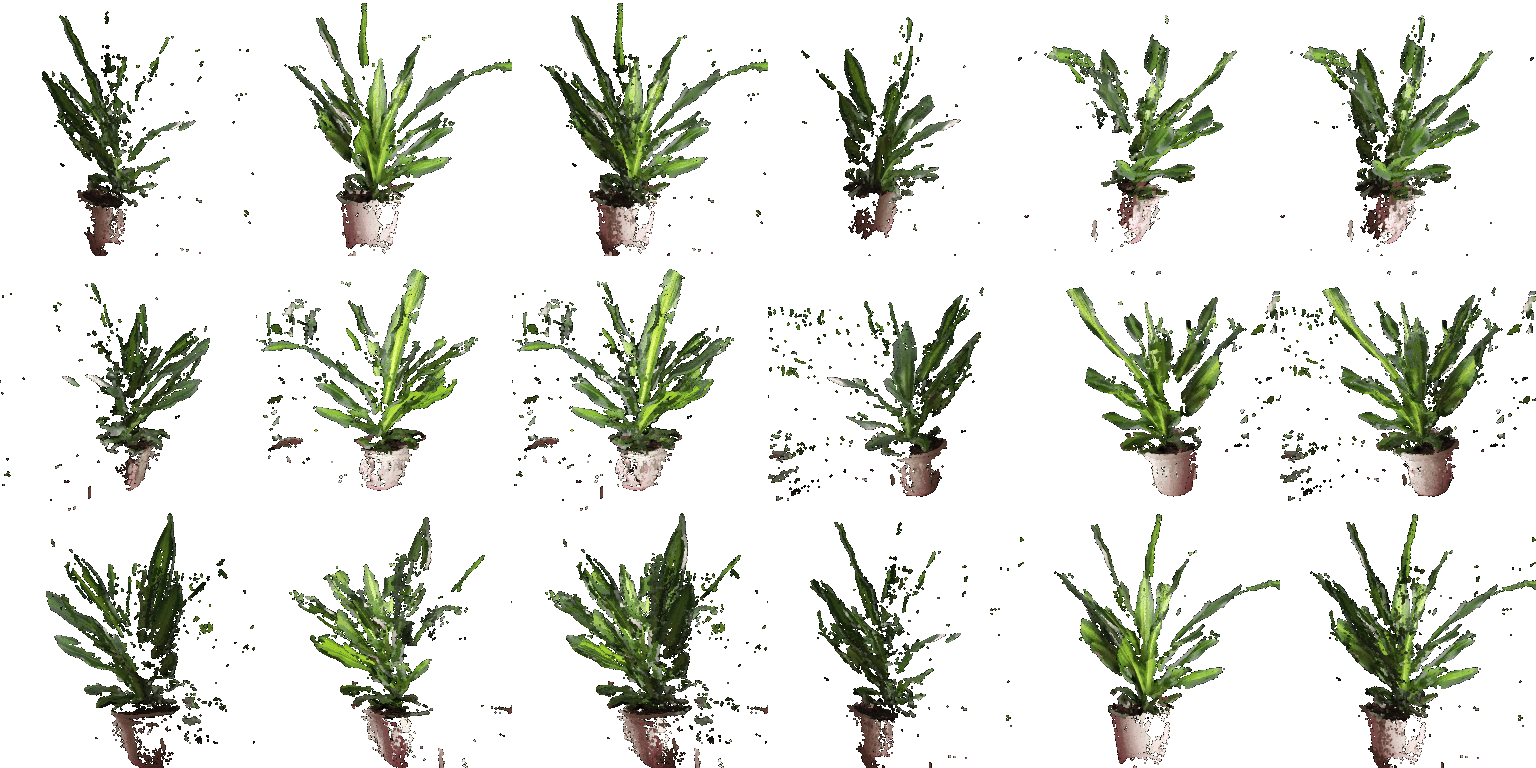
Left: point cloud from image 1. Middle: point cloud from image 2. Right: union of the two.
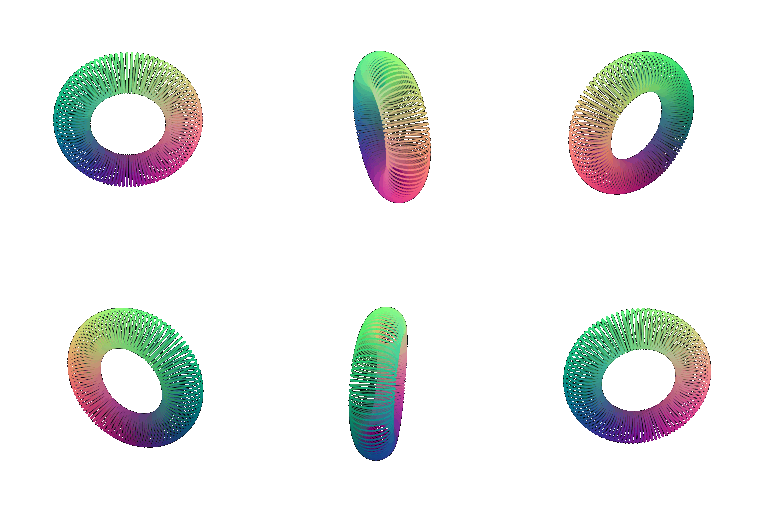
Torus, x = (R + r cos θ) cos φ, y = (R + r cos θ) sin φ, z = r sin θ with R = 1, r = 0.3, sampled on a 100 x 100 grid of (φ, θ):
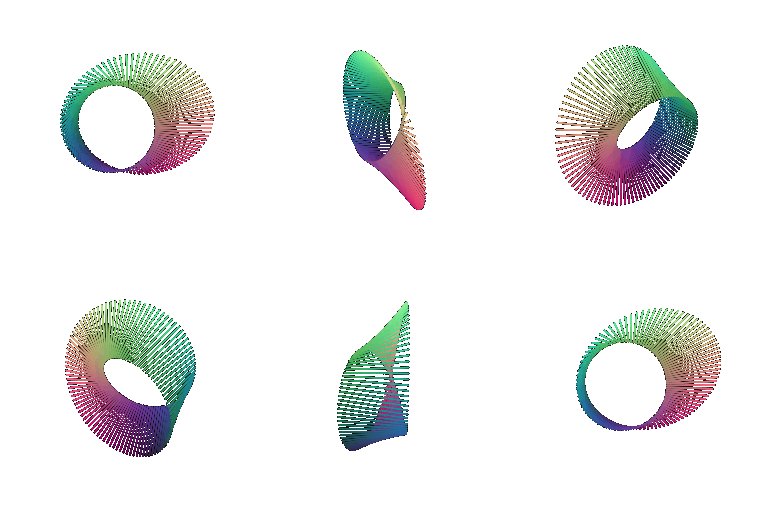
New object: Mobius strip, x = (1 + v cos(u/2)) cos u, y = (1 + v cos(u/2)) sin u, z = v sin(u/2) with u ∈ [0, 2π], v ∈ [-0.5, 0.5]:
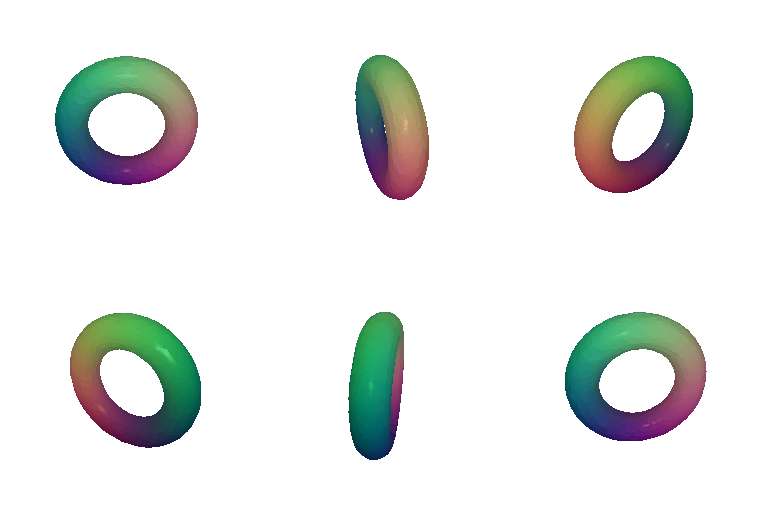
Torus, F(x, y, z) = (sqrt(x^2 + y^2) - R)^2 + z^2 - r^2 with R = 1, r = 0.3, on a 64^3 voxel grid, meshed with marching cubes:
Mesh vs. point cloud tradeoffs:
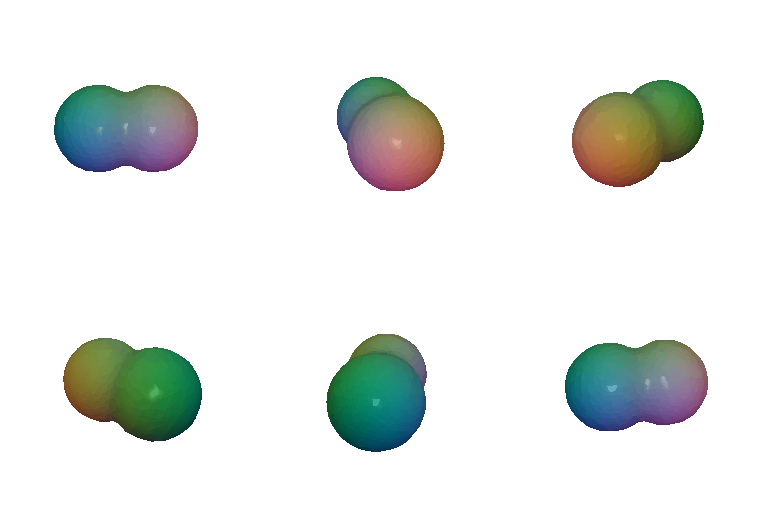
New object: dumbbell, the union of two overlapping spheres, F = min(F_sphere1, F_sphere2), with spheres of radius 0.8 centered at x = ±0.5:
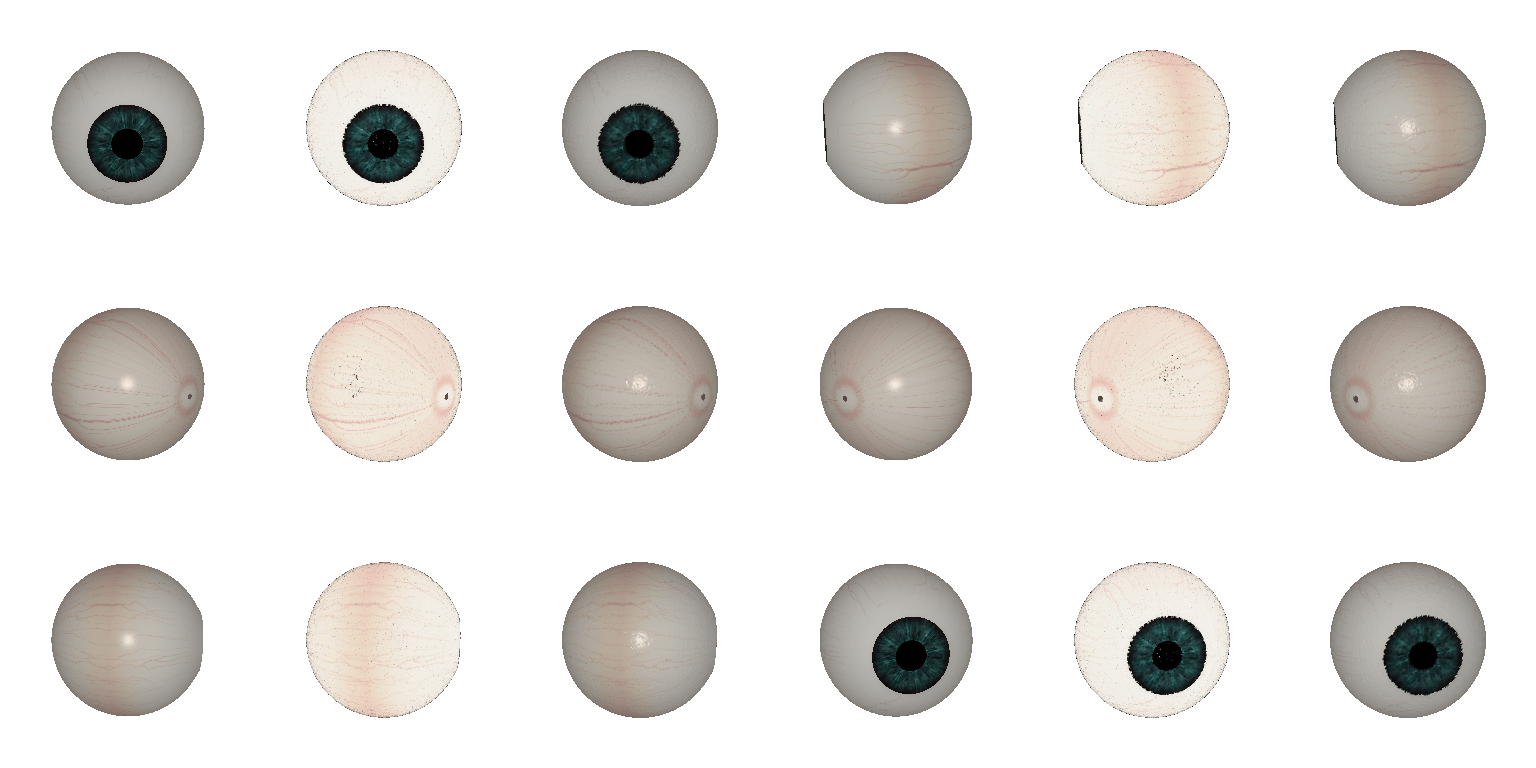
The Free3D eyeball model rendered with the three representations from section 5. Left: textured mesh. Middle: point cloud of 200,000 points sampled on the surface, colored from the texture. Right: implicit surface, where F(x) = distance from x to the eyeball's surface minus a small thickness, evaluated on a 192^3 grid and meshed with marching cubes (the model is made of several open parts, so it has no well-defined inside).
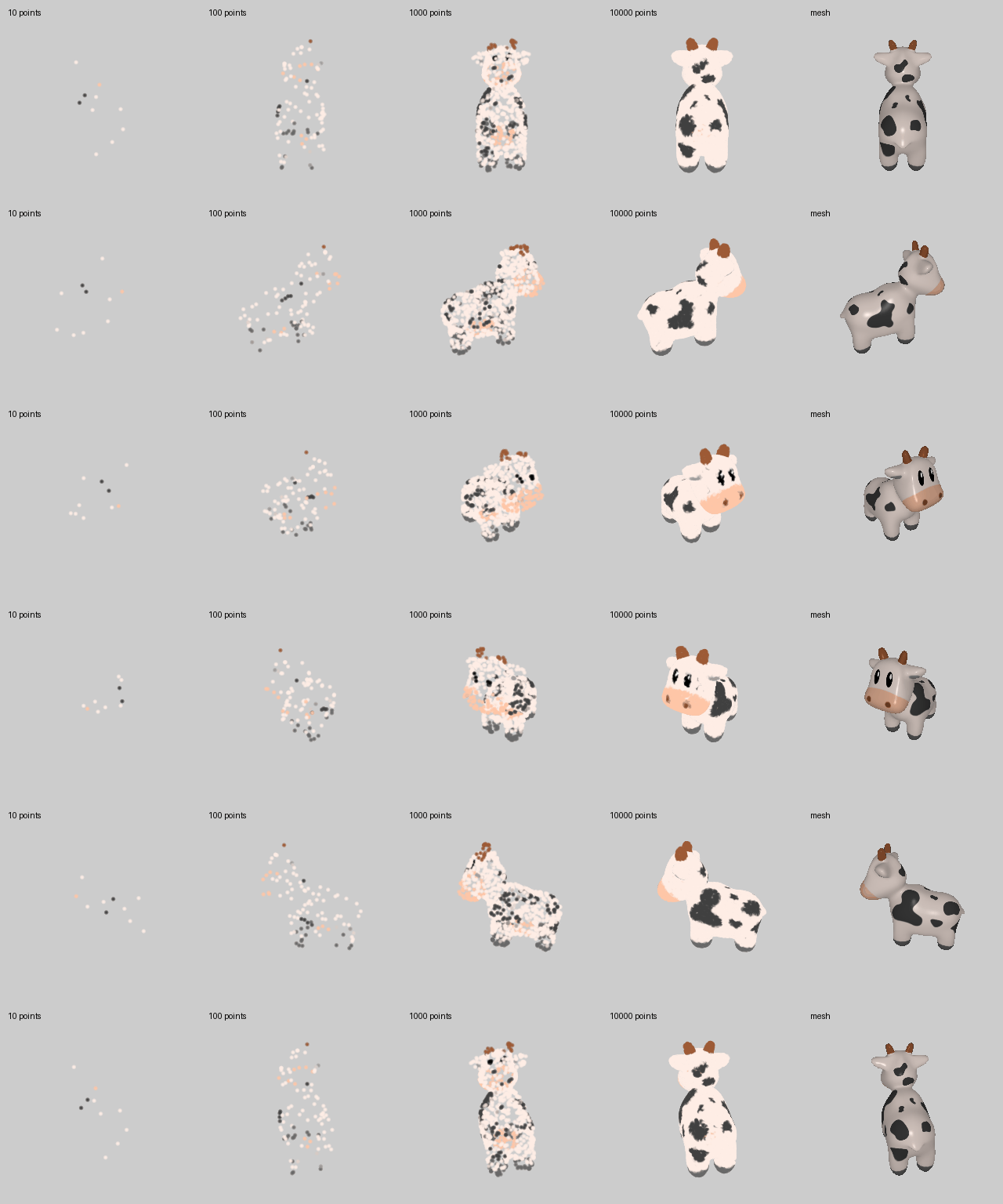
Each face is chosen with probability proportional to its area, a barycentric coordinate is sampled uniformly on it, and the point is the barycentric combination of the face's vertices. Panels from left: 10, 100, 1000 and 10000 sampled points, then the original cow mesh.