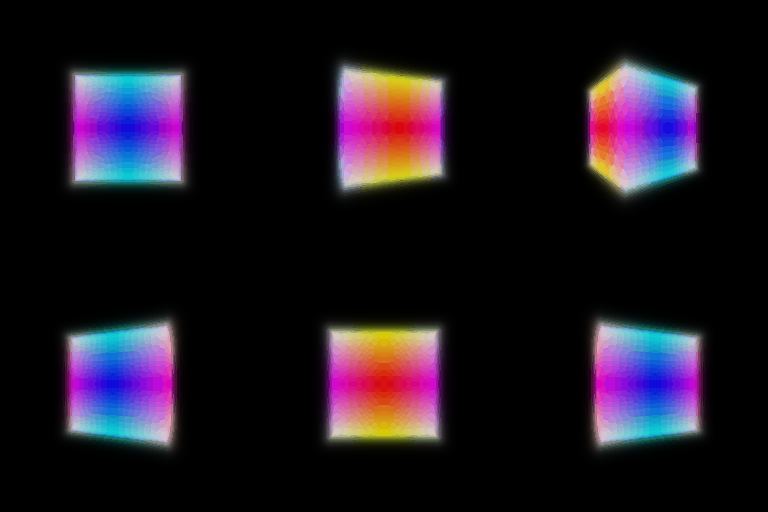
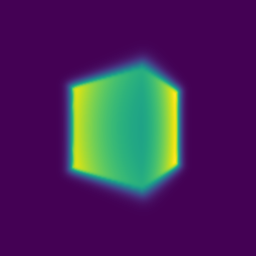
Box center: (0.25, 0.25, 0.00)
Box side lengths: (2.01, 1.50, 1.50)
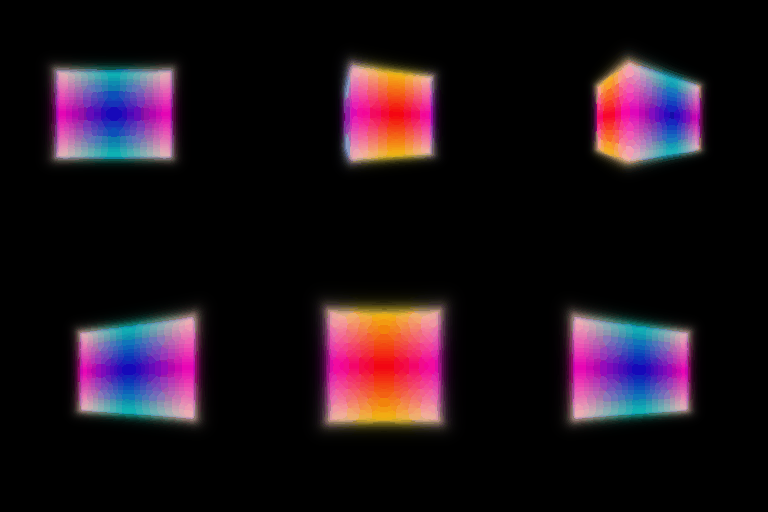
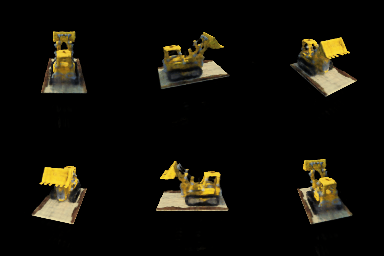
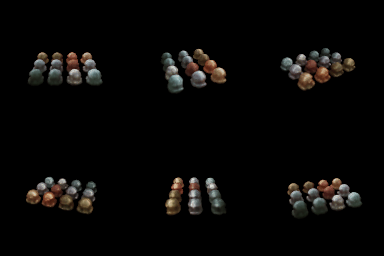
The biggest advantage is that the objects look more realistic, and light bounces off them more realistically. The risk is that the network can cheat and learn each training view's colours through the direction input instead of understanding the geometry.
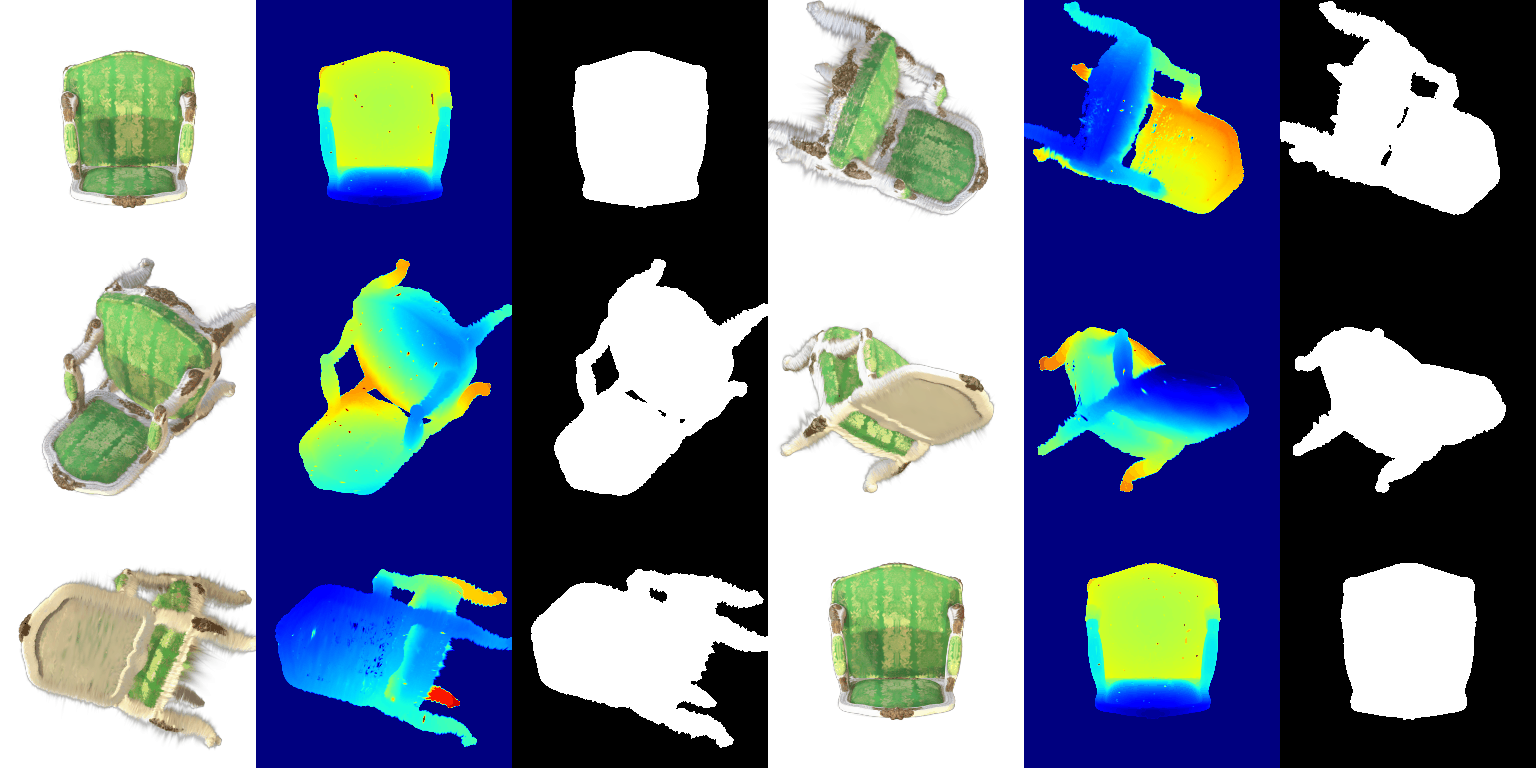
Learning rates: opacities 0.05, scales 0.005, colours 0.02, means 0.0005
Iterations: 1000
PSNR: 29.83
SSIM: 0.940
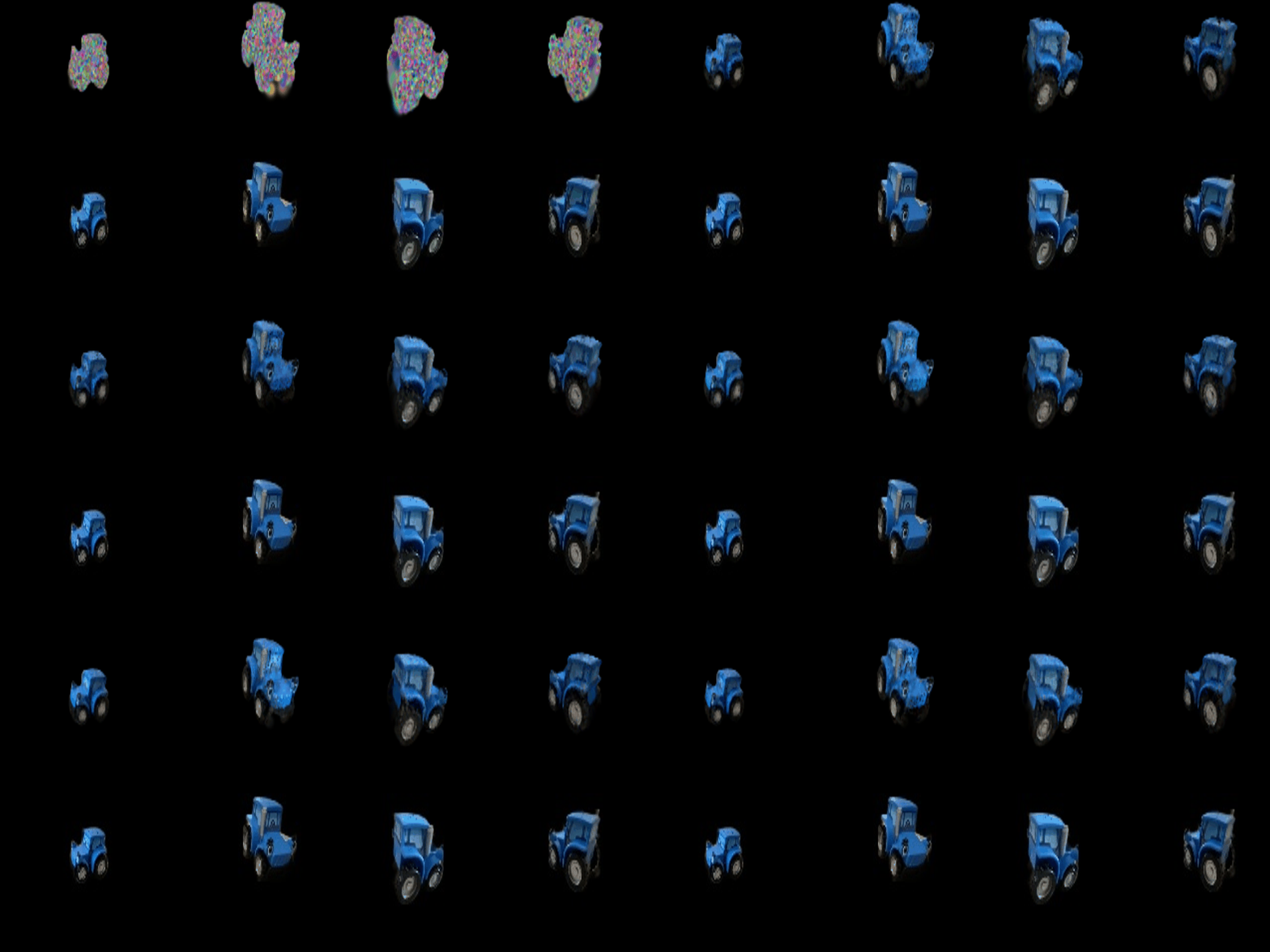

Without spherical harmonics (5.5):
With spherical harmonics (7.1):
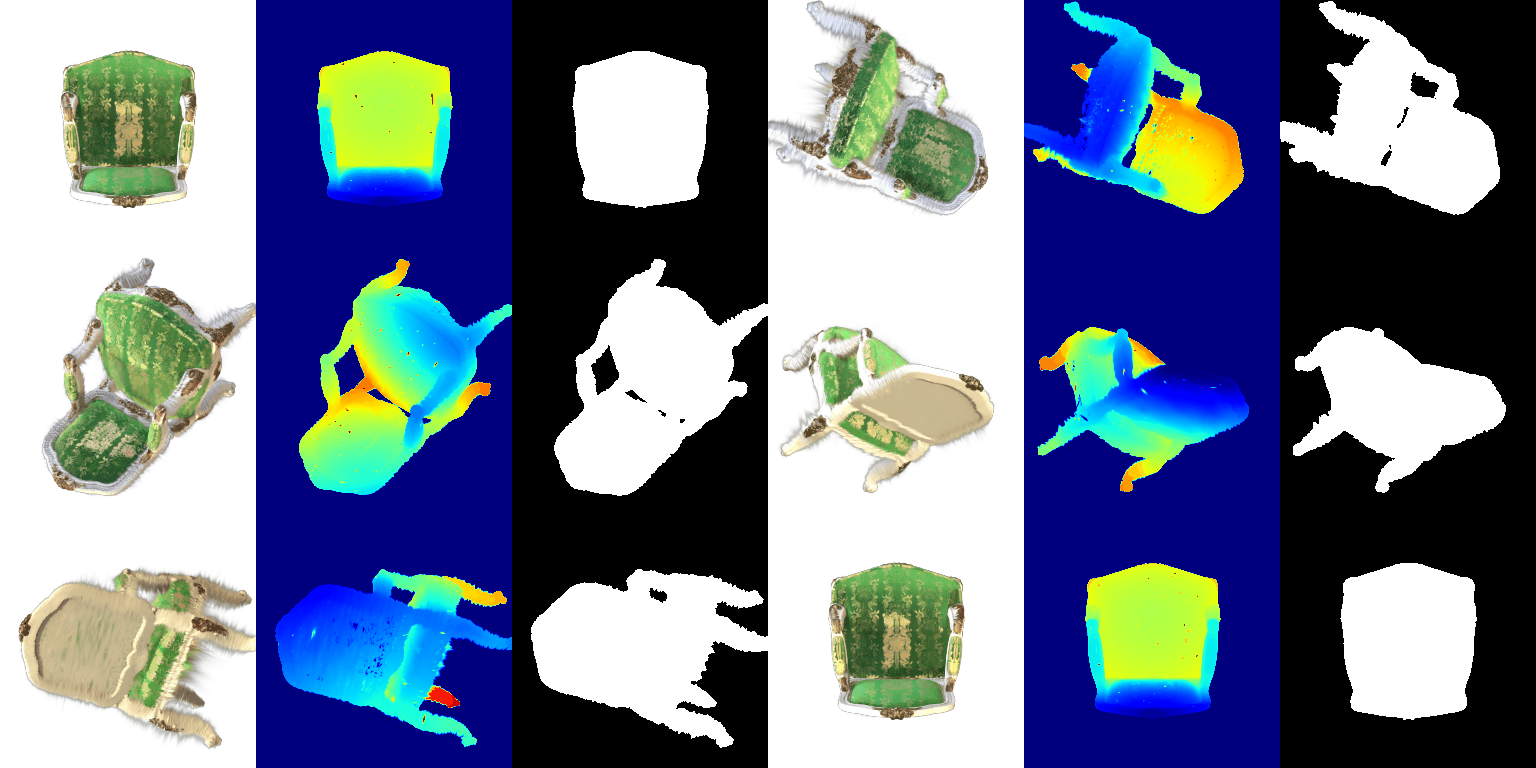
Side-by-side comparisons (left: without spherical harmonics, right: with spherical harmonics):
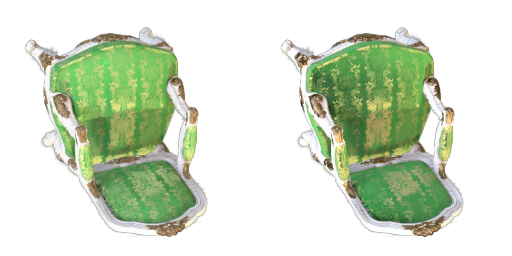
With spherical harmonics, the green fabric looks darker with more contrast, while without them it looks flat and evenly lit.
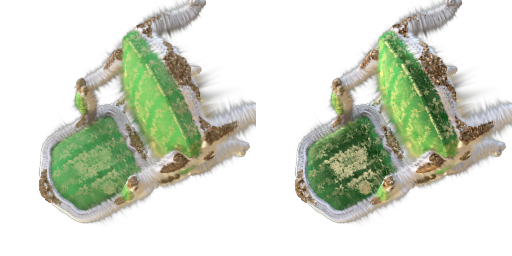
The seat and back show richer, more realistic shading with spherical harmonics, since colour now changes with viewing direction.
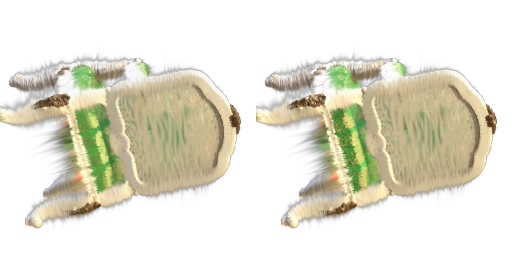
The underside looks almost the same in both, since it has little view-dependent lighting and the base colour is already close.