1. Practicing with Cameras
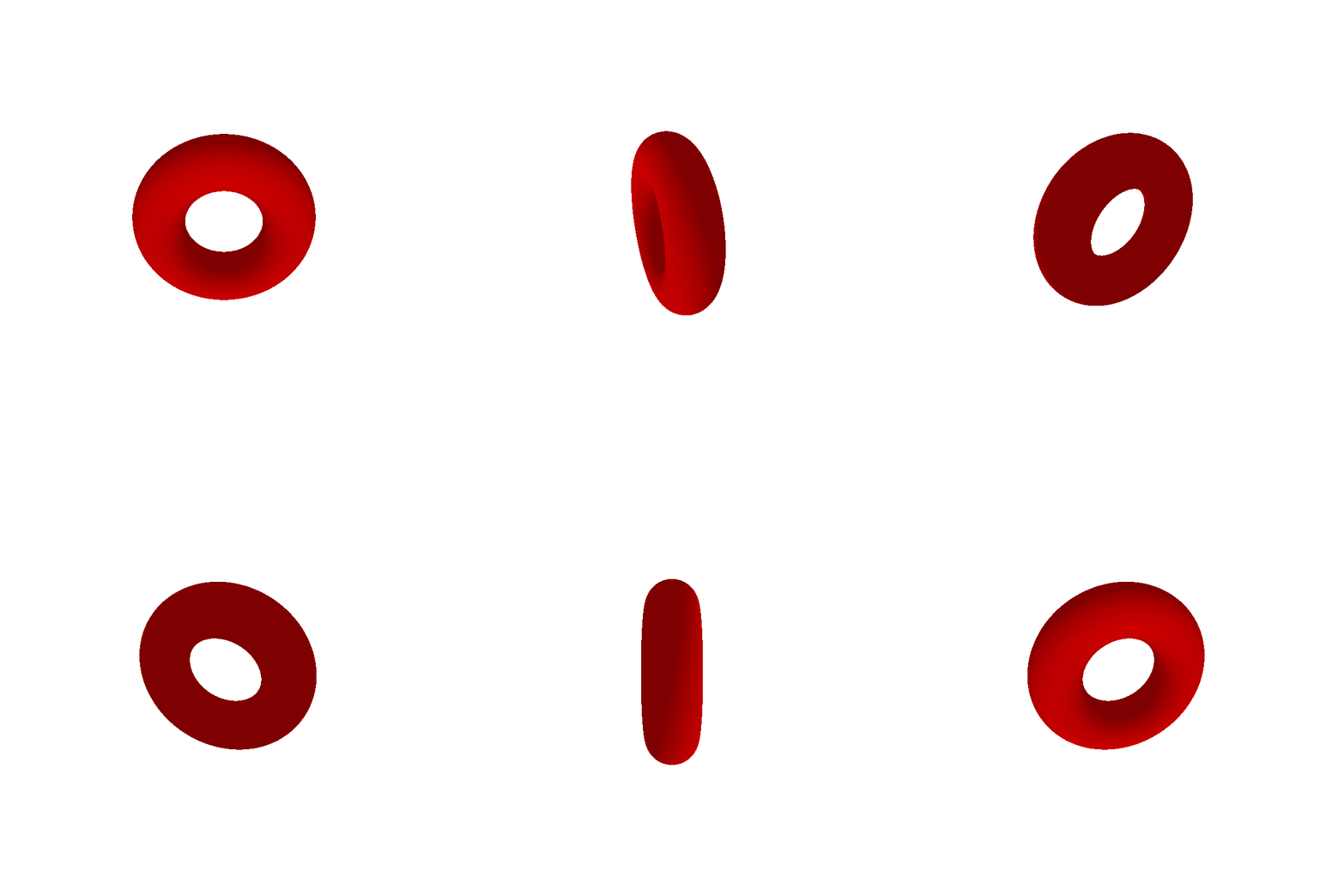
1.1 360-degree render

1.2 Dolly zoom

The tetrahedron has 4 vertices and 4 triangular faces.

The cube has 8 vertices and 12 triangular faces (two triangles per side).

I used color1 = [1, 0, 0] (red) at the minimum z-coordinate and color2 = [0, 1, 0] (green) at the maximum z-coordinate, with linear interpolation between them.

Transform 1: Rotate 90° in the xy-plane about z; no relative translation.

Transform 2: Keep the identity rotation and translate 7 units along z, moving the camera farther away.

Transform 3: Apply a small −0.1 radian rotation in the xz-plane about y; no relative translation.

Transform 4: Rotate 90° in the xz-plane about y, then translate by [-3, 0, 3].

The first view, second view, and their union are shown side-by-side (every 10th point sampled).


A torus and a figure-eight Klein bottle immersion, both sampled as point clouds.
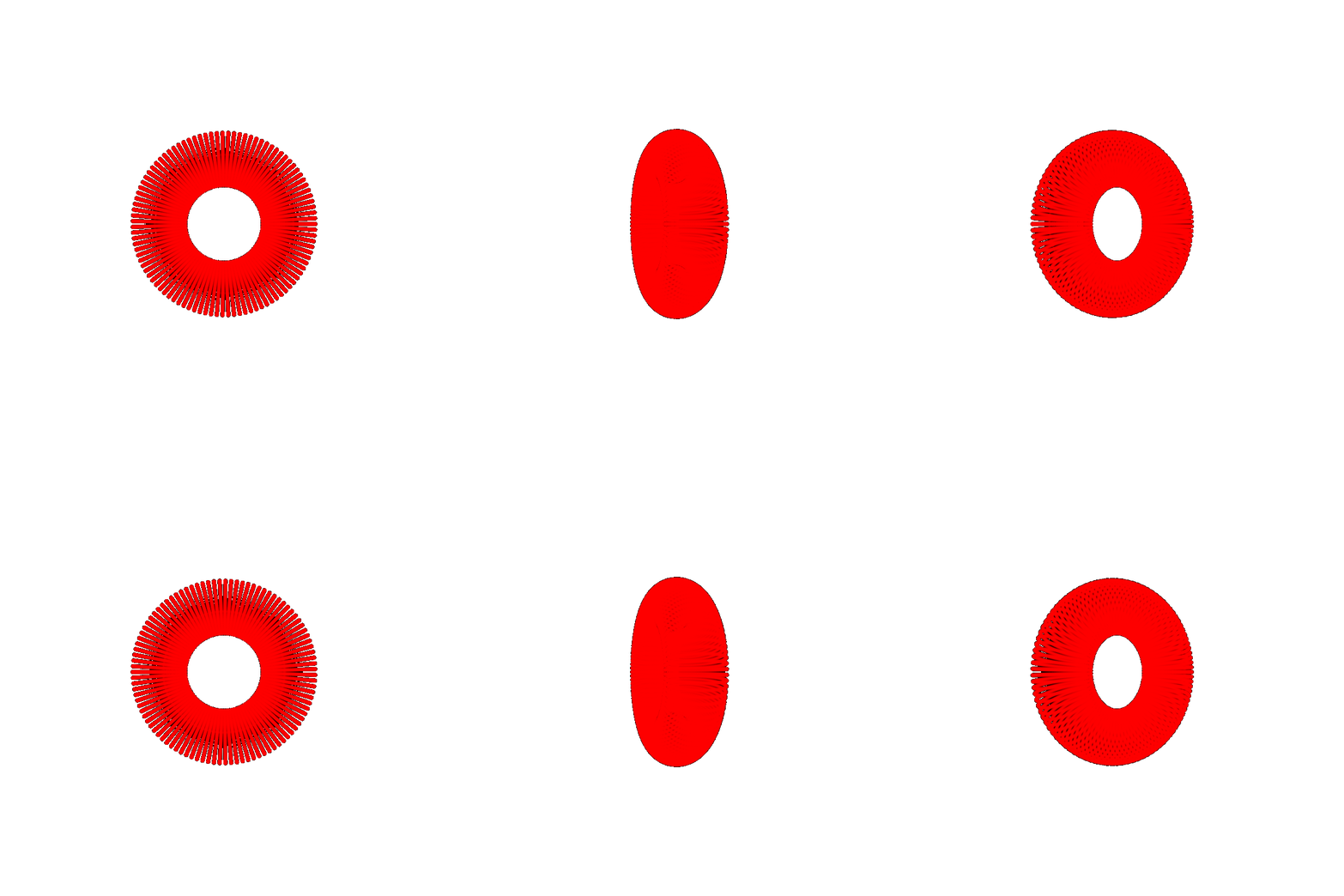

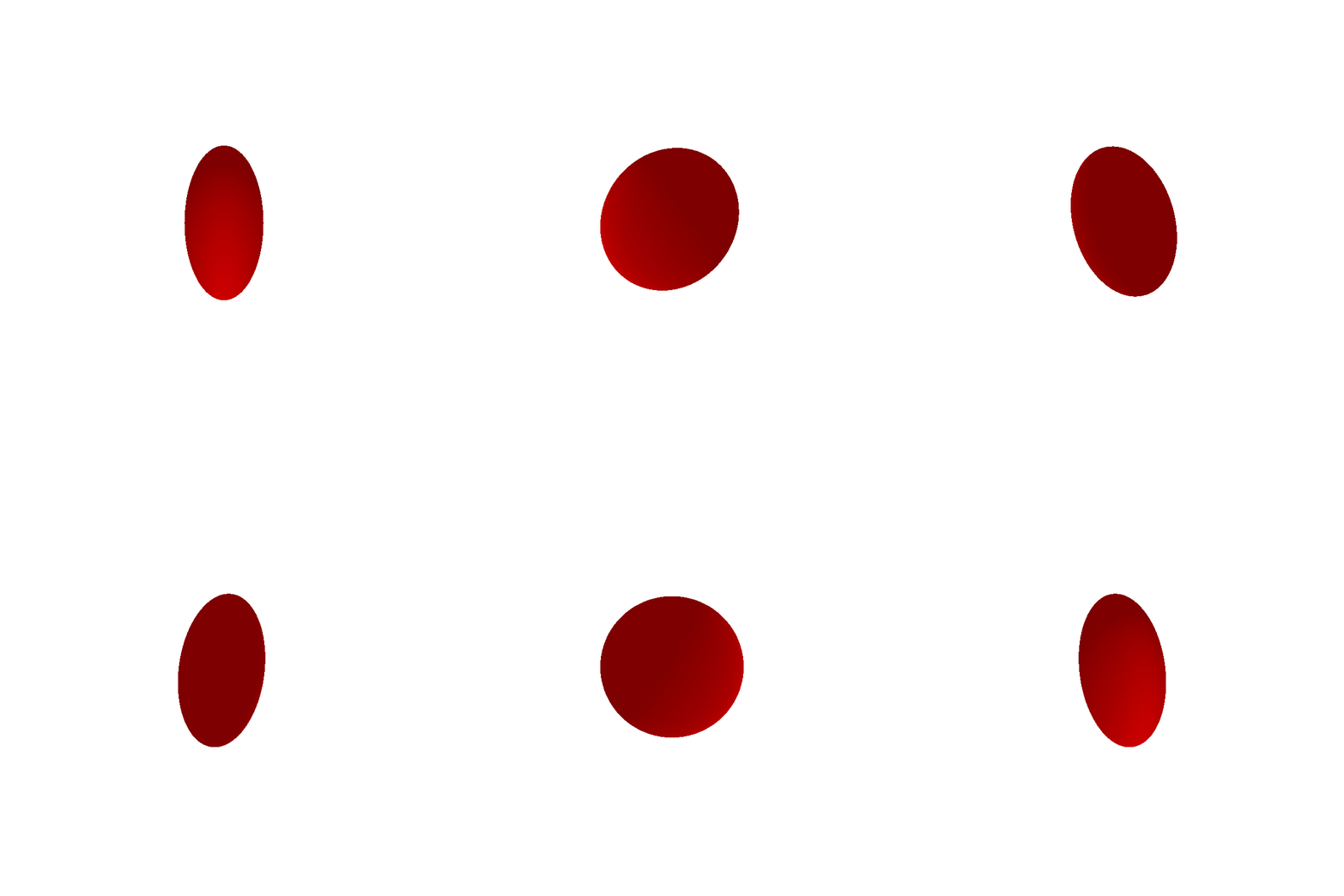
The torus and ellipsoid below were extracted from voxelized implicit functions with marching cubes. Meshes generally render as continuous, smooth surfaces and can be efficient because triangles fill the space between vertices. Point clouds are simpler to create and combine, but often need many samples and careful point-radius tuning to avoid holes. Mesh extraction adds preprocessing and connectivity storage, while point clouds store only independent positions and features.