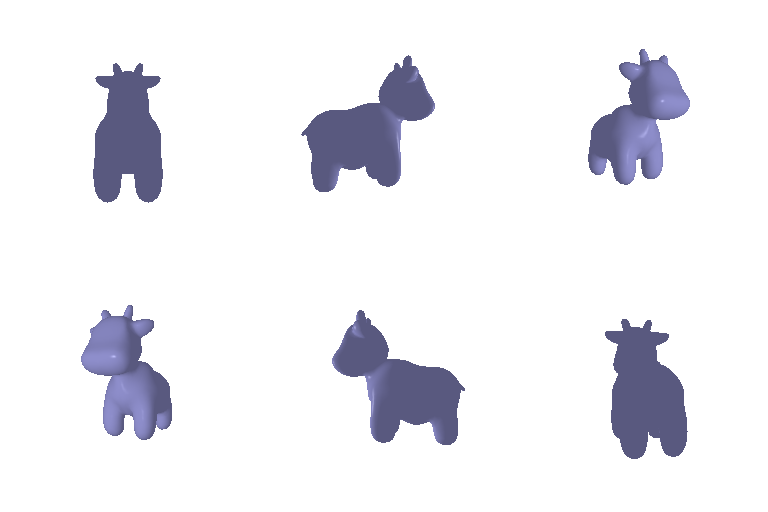
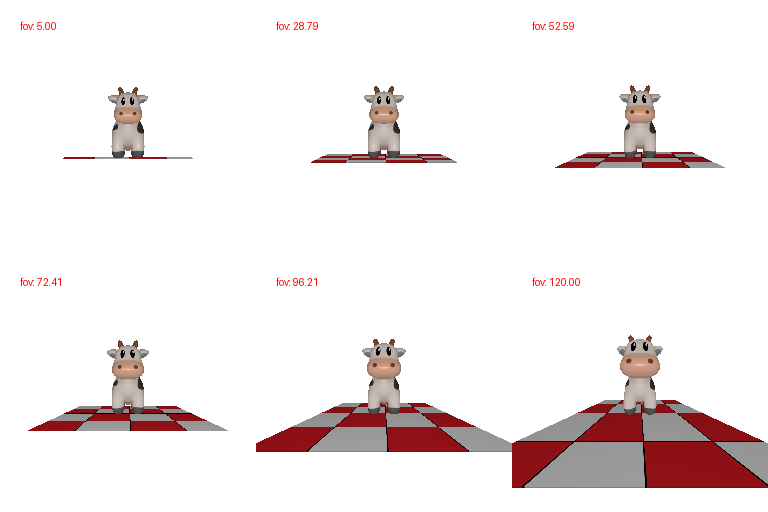
Assignment 1 - Fall 2026
Karthik Srinivasan (ksriniv2)
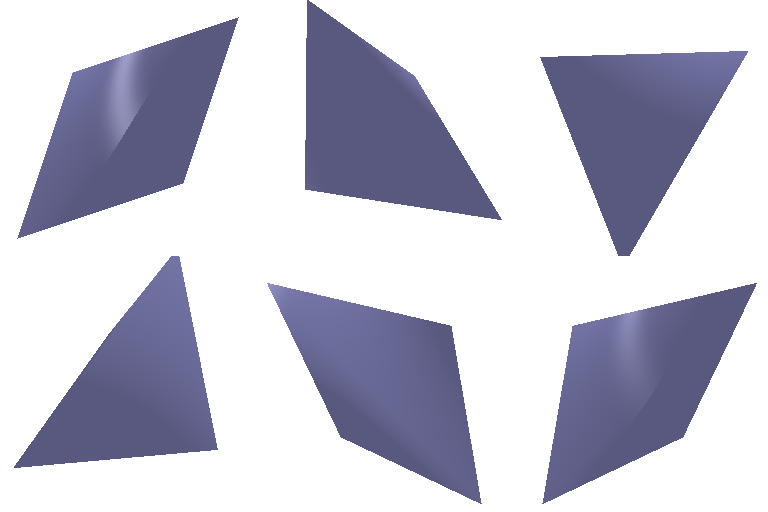
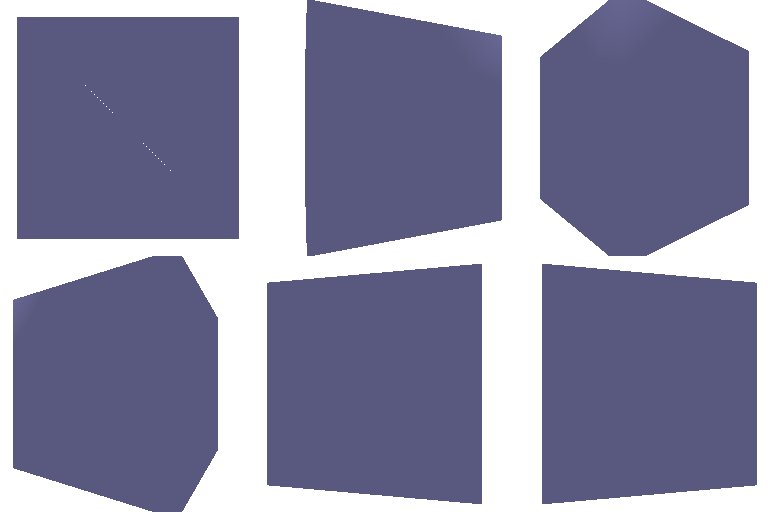
4 faces, 4 vertices
8 vertices, 12 faces
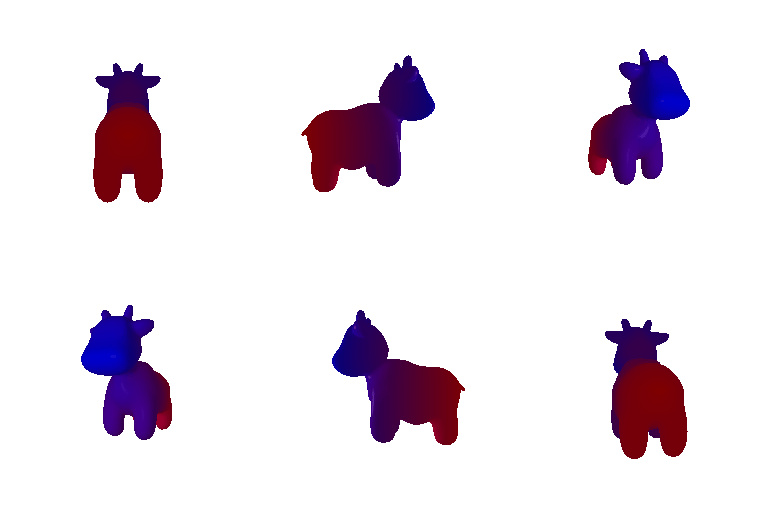
color1 = [0, 0, 1] (blue) and color2 = [1, 0, 0] (red) - used the same colors as the readme page


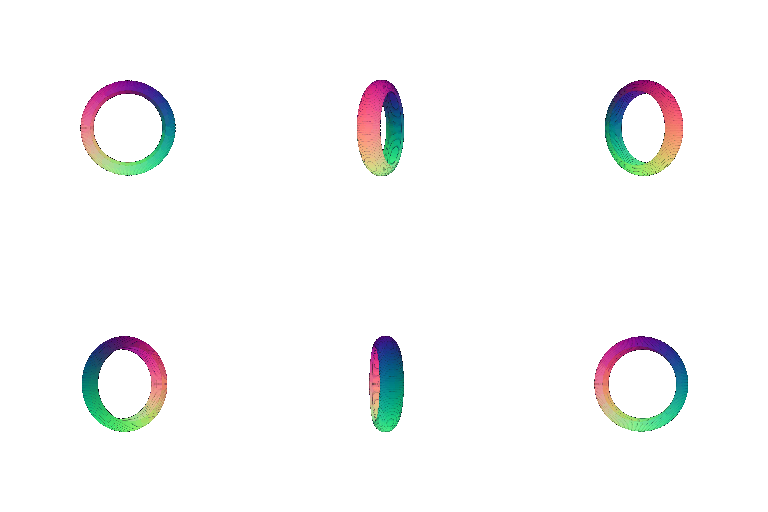
Torus, parameterized as:
x = (1 + 0.25*sin(theta)) * cos(phi)
y = (1 + 0.25*sin(theta)) * sin(phi)
z = 0.25 * cos(theta)
new object, parameterized as:
x = (1 - 0.25*sin(theta)) * cos(phi)
y = (1 - 0.25*sin(theta)) * sin(phi)
z = 0.25 * cos(theta)
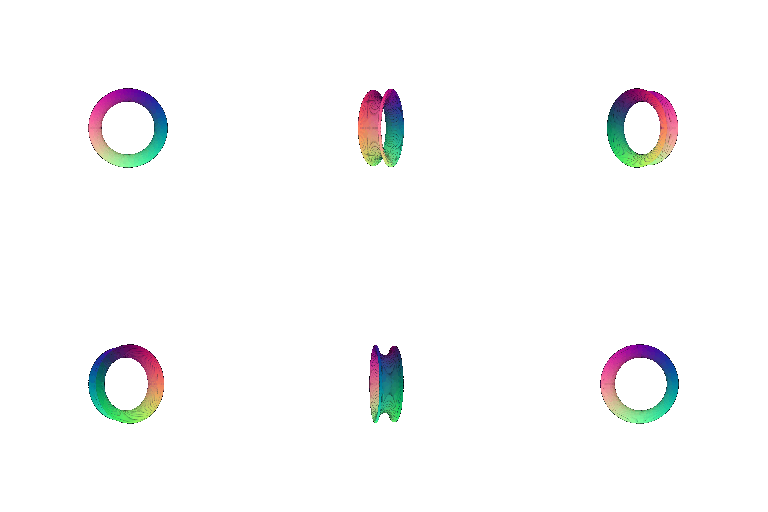
Torus, implicit function:
voxels = (sqrt(X^2 + Y^2) - 1)^2 - Z^2 - 0.25
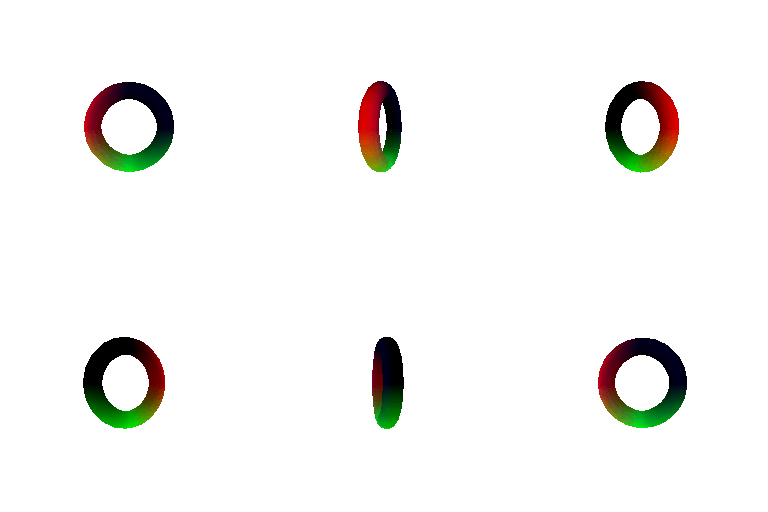
Mesh vs. point cloud tradeoffs: - Point clouds are cheaper to build (just sample/unproject points) but meshes need an extraction step like marching cubes, which adds cost before rendering even starts. - Meshes give a continuous, hole-free surface with proper shading and normals while point clouds show visible gaps at low sample density or grazing viewing angles. - Point clouds can be built from any parametric function or unprojected depth image directly whereas meshes require explicit face connectivity (or marching cubes to derive it). - Point cloud size scales directly with sample count; meshes can represent the same surface with far fewer primitives once triangulated, but carry extra connectivity (face) data.
New object, implicit function:
voxels = (sqrt(X^2 + Y^2) - 1)^2 + Z^2 - 0.25

data/IronMan.obj) from Free3D.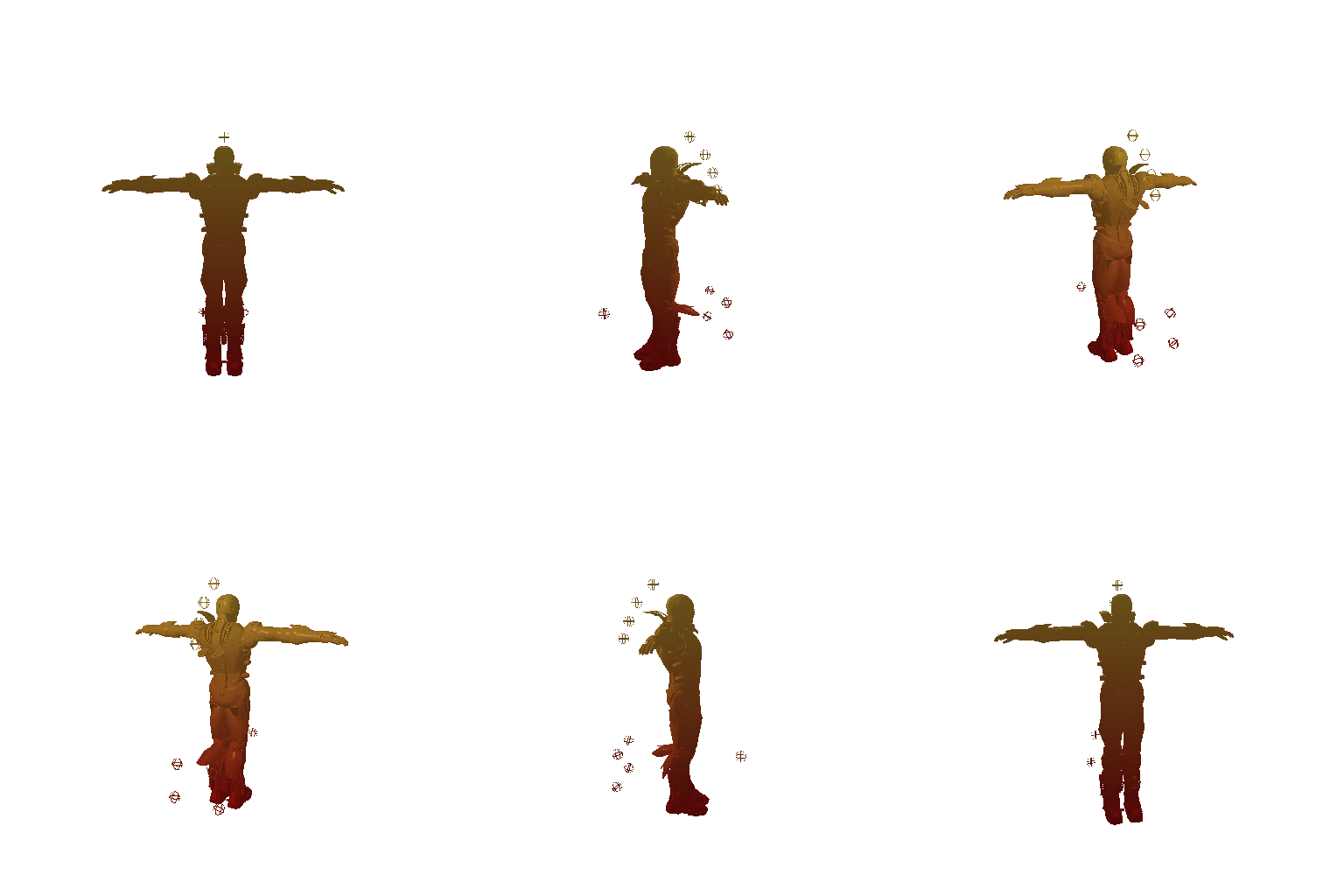
Stratified sampling on the cow mesh: sample a face with probability proportional to its area, sample a uniform random barycentric coordinate on it, then compute the corresponding point.
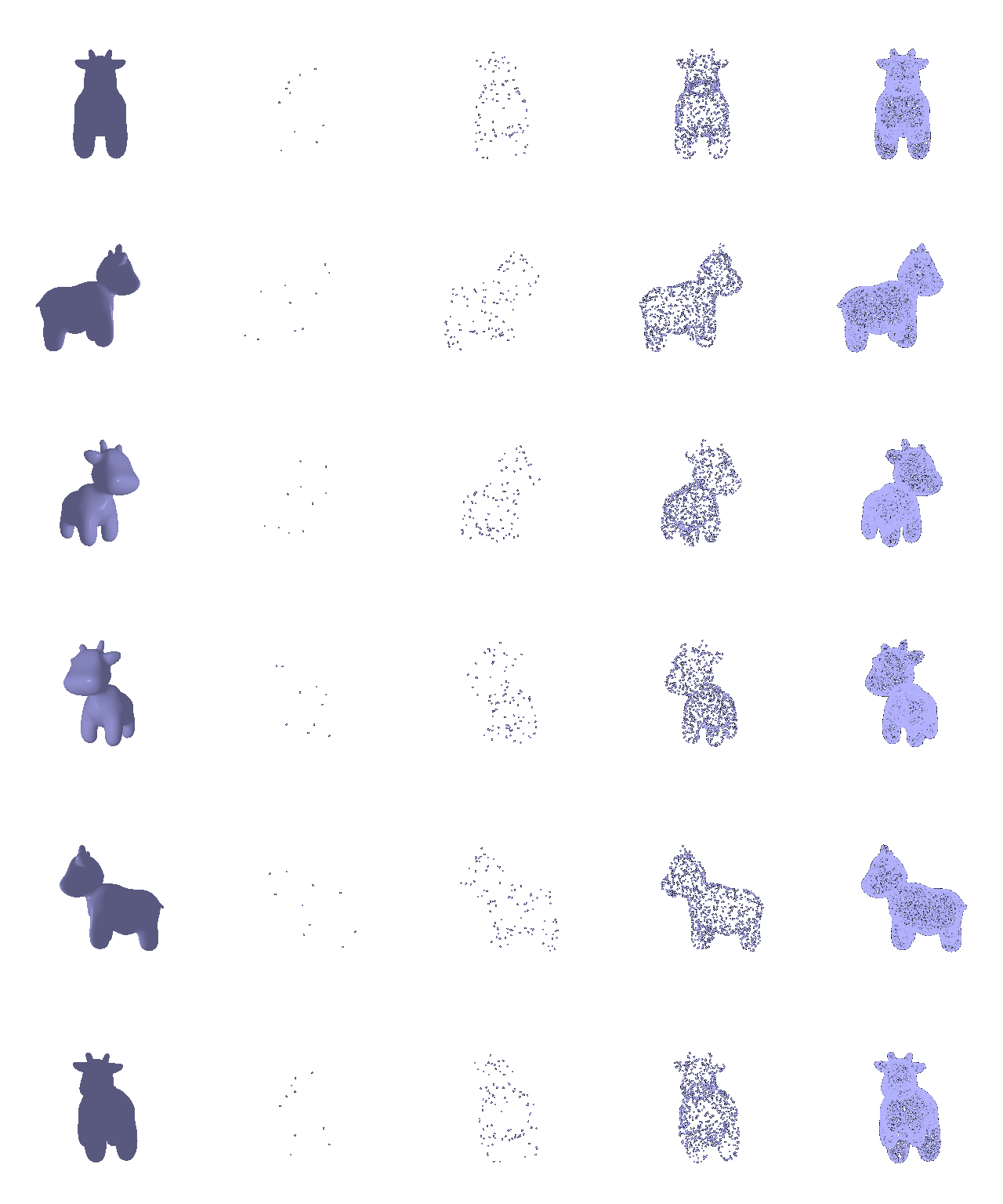
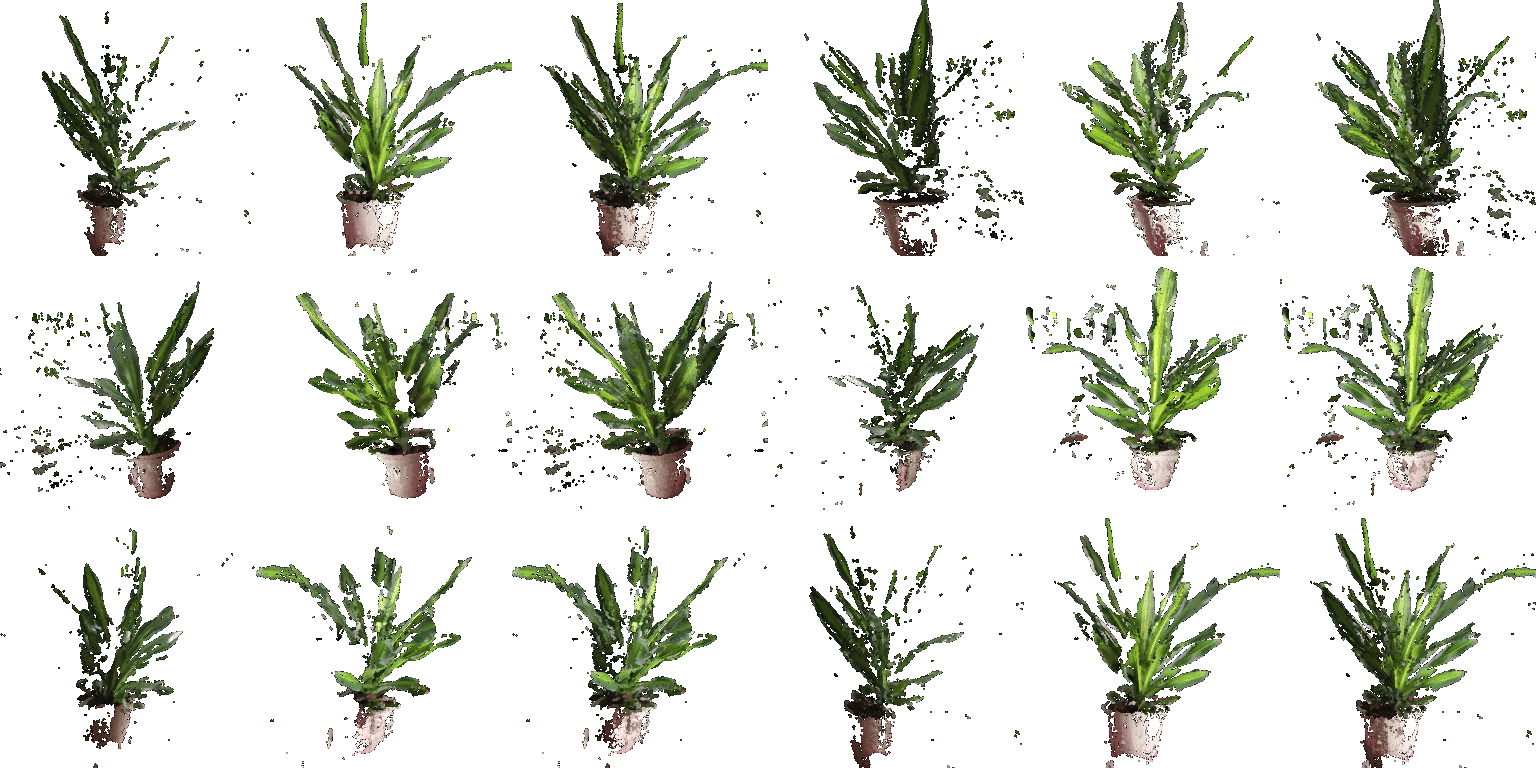
Original mesh alongside point clouds sampled at 10, 100, 1000, and 10000 points: