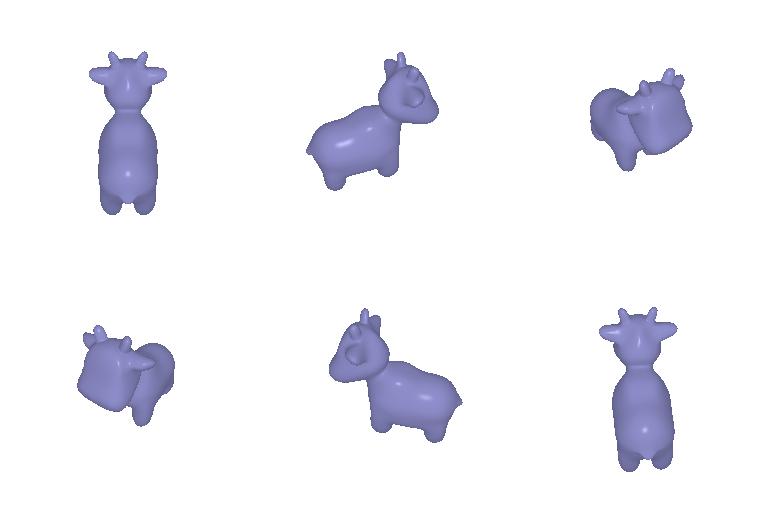
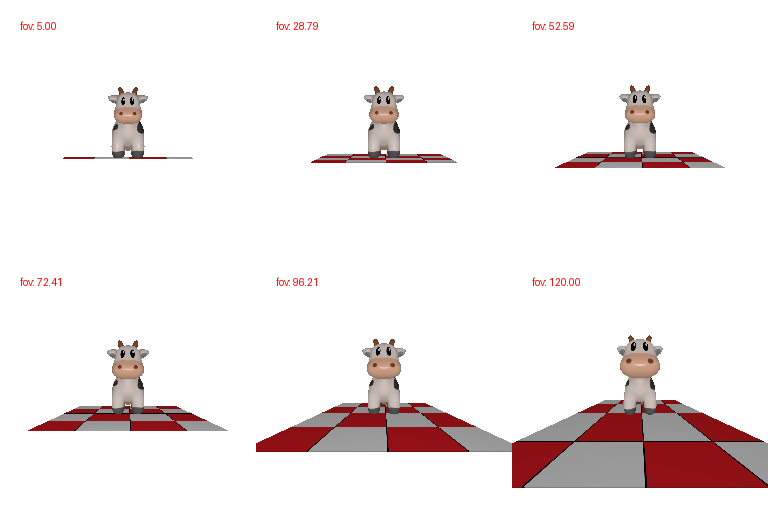

This mesh has 4 vertices and 4 faces.
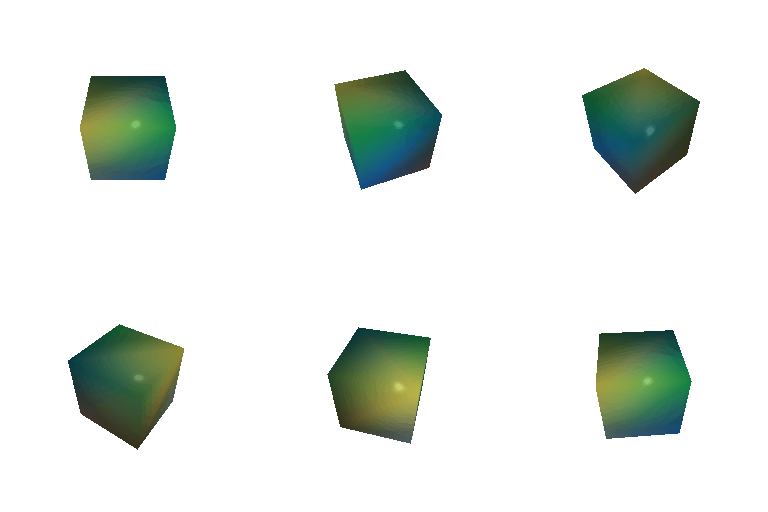
This mesh has 8 vertices and 12 faces.
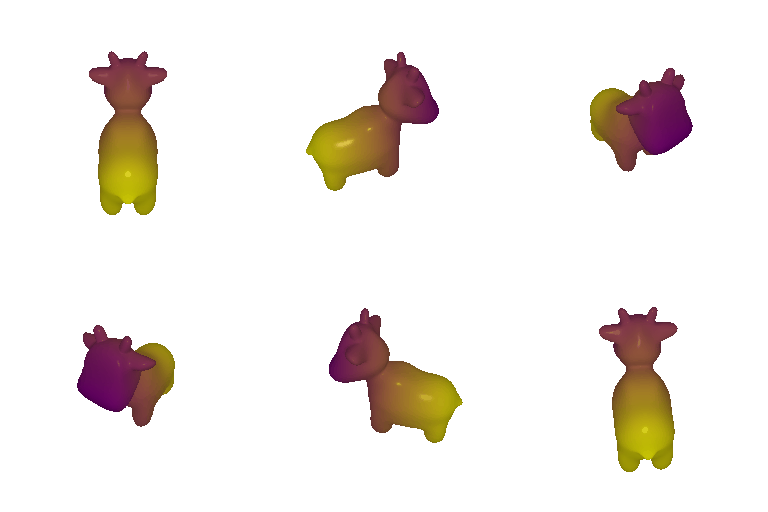
This mesh hues from purple (color 1) to yellow (color 2)
The rows of R_relative give the world x, y, z unit vectors respectively in the camera’s frame. T_relative shifts the world origin by the given amount, in the camera’s frame.
| R | T | Generated |
|---|---|---|
| [[0, 1, 0],[-1, 0, 0], [0, 0, 1]] aligns world x with camera frame y, and world y with camera frame -x | [0, 0, 0] does not further move the camera |  |
| [[0, 0, 1], [0, 1, 0], [-1, 0, 0]] aligns world x with camera frame z, and world z with camera frame -x | [-3, 0, 3] moves the camera so the world origin shifts -3 units in the camera’s x direction and 3 units in the camera’s z direction | 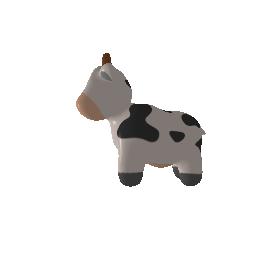 |
| [[1, 0, 0], [0, 1, 0], [0, 0, 1]] aligns camera orientation with world frame | [0, 0, 2] moves the camera so the world origin shifts 2 units in the camera’s z direction | 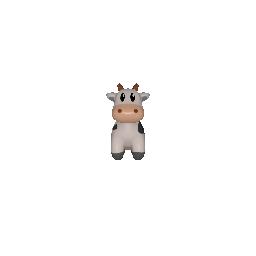 |
| [[1, 0, 0], [0, 1, 0], [0, 0, 1]] aligns camera orientation with the world frame | [0.5, -0.5, 0] moves the camera so the world origin shifts 0.5 units in the camera’s x direction and -0.5 units in the camera’s y directions | 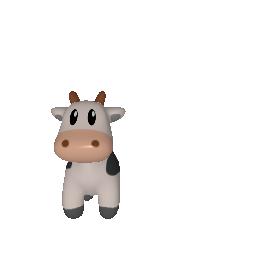 |
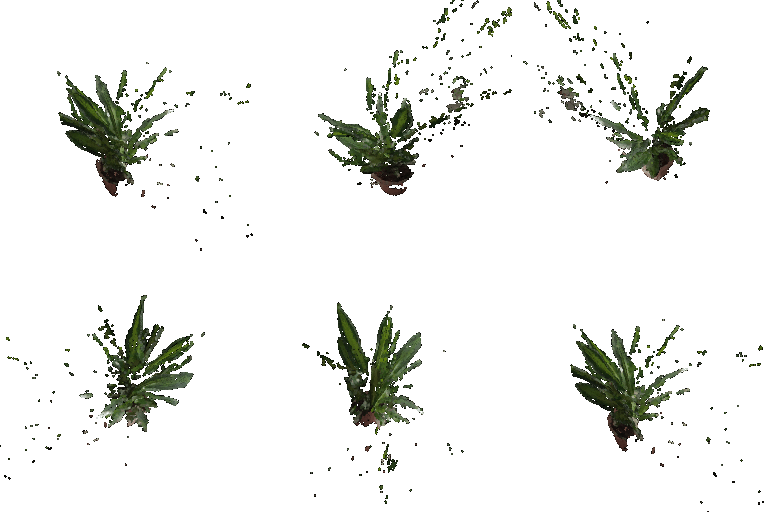
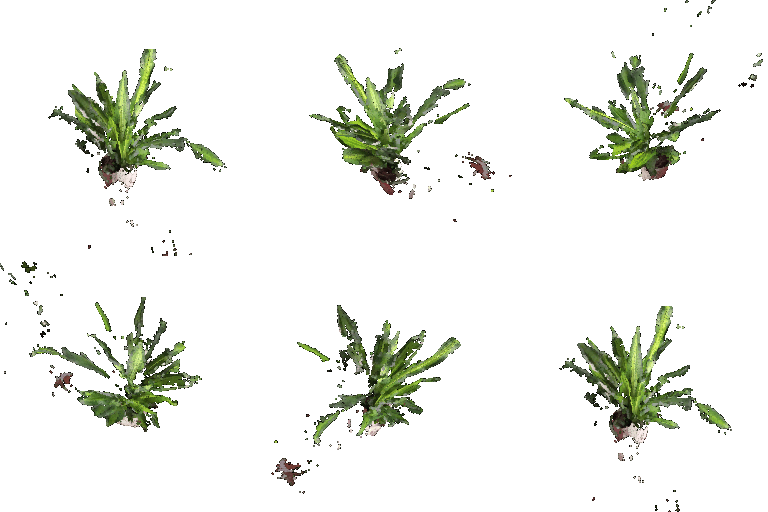
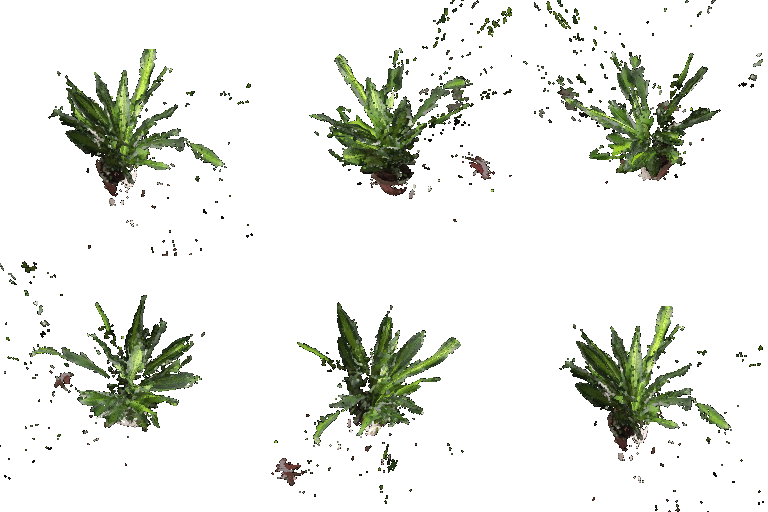
| Image 1 | Image 2 | Union |
|---|---|---|
 |
 |
 |
| Shape | GIF |
|---|---|
| Torus | 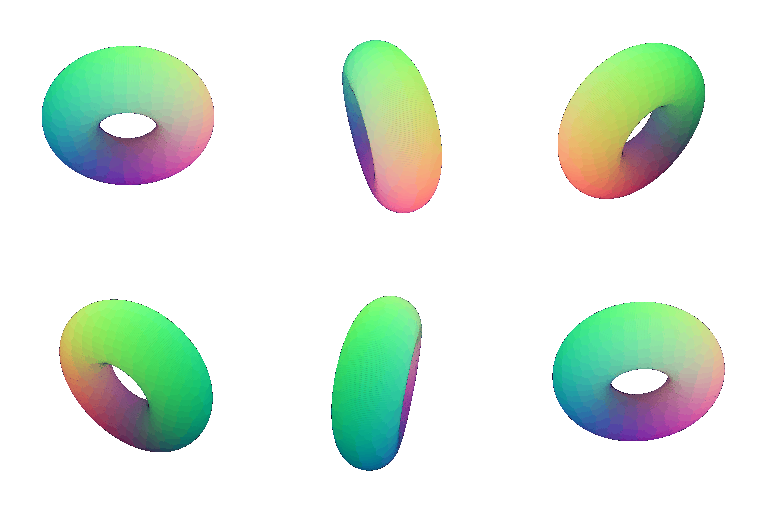 |
| Torus Knot | 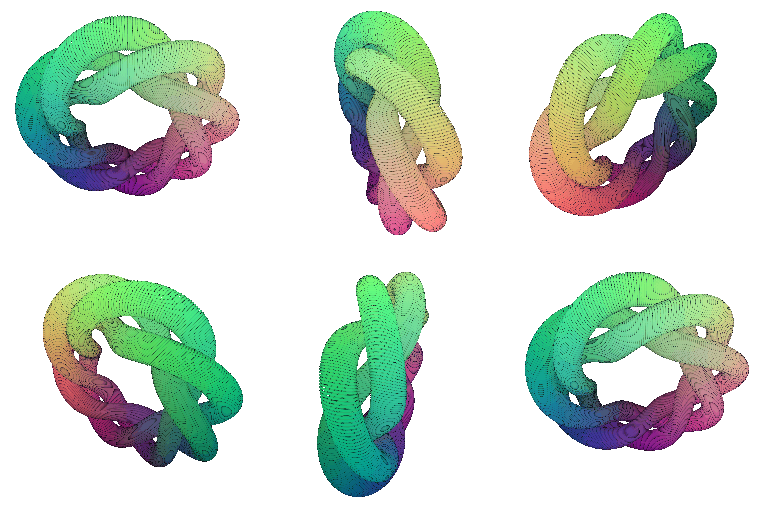 |
| Shape | GIF |
|---|---|
| Torus | 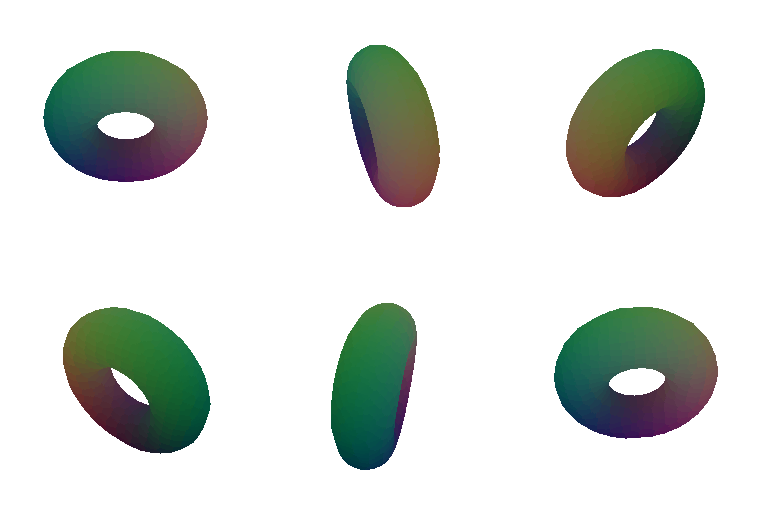 |
| Genus | 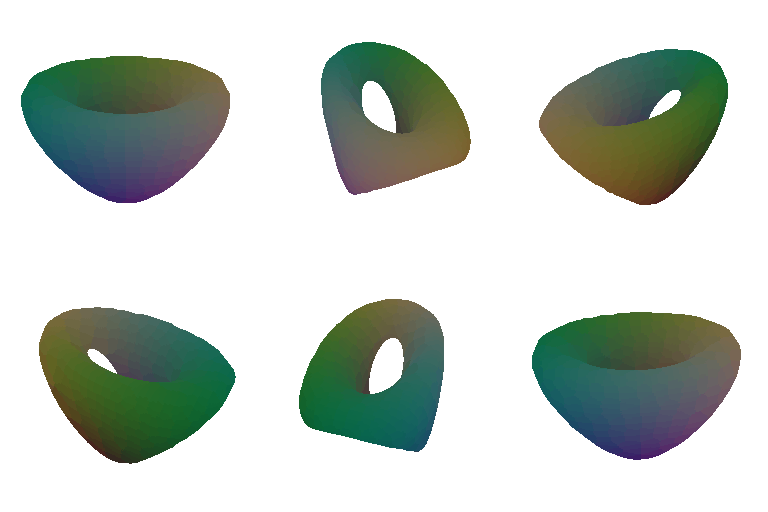 |
The parametric input space is O(N^2) so O(N^2) samples must be taken, vs the implicit function input space is O(N^3), requiring O(N^3) samples, which assymptotically is significantly more computation and memory. This majorly limits the resolution of the intermediate voxel step of implicit function rendering. The benefit is that implicit function + meshing gives a mesh surface. The one caveat here is, sometimes its unclear what connectivity structure to use in making the mesh from an arbitrary point cloud. Once the intermediate voxel representation is distilled into a mesh, the mesh is far more memory efficient than a point cloud. There’s a rendering speed tradeoff, because points in point clouds are extremely fast to render, but there’s fewer points/faces in a mesh that need to be rendered. Meshes having a proper surface allows for many downstream applications like collision checking. Additionally, a mesh occludes whats behind it, like a proper solid object.
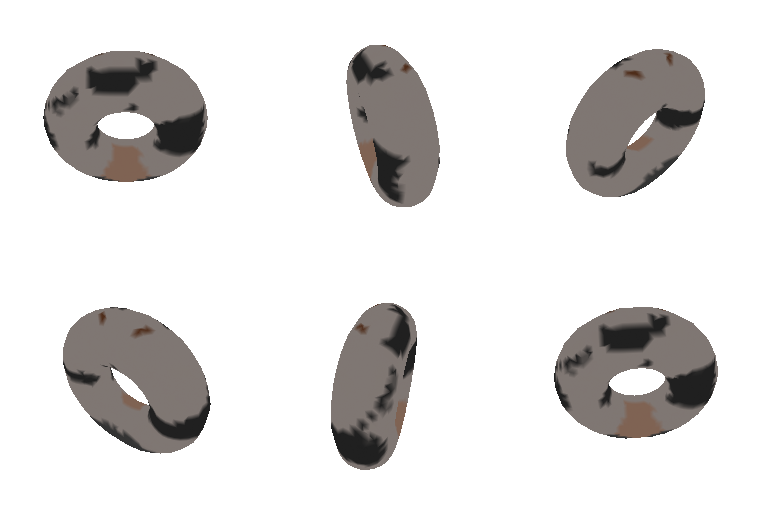
Cow Torus – Each torus vertex gets its color from the nearest cow vertex
| Num Samples | GIF | Original |
|---|---|---|
| 10 | 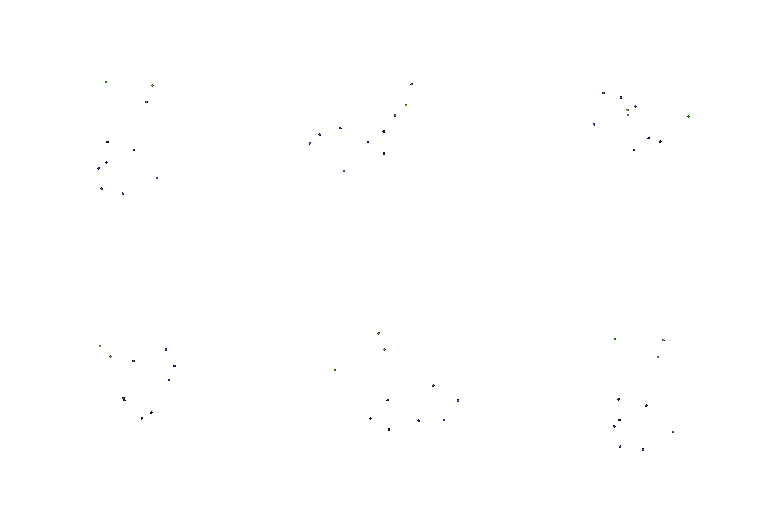 |
|
| 100 | 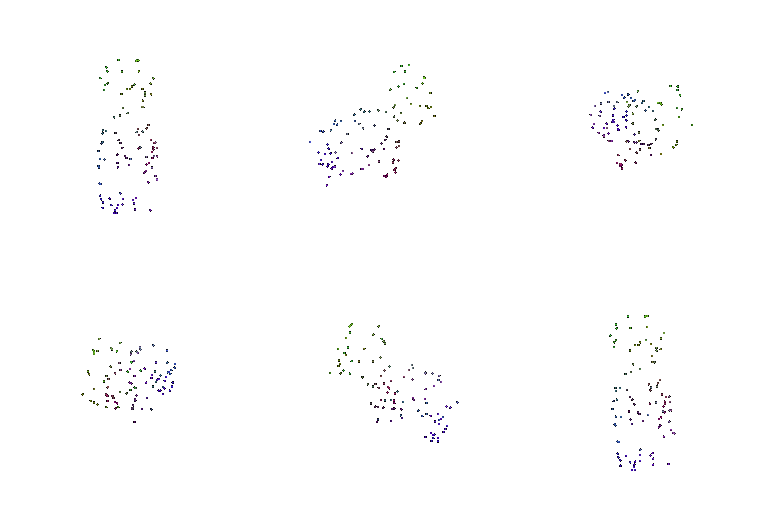 |
|
| 1000 | 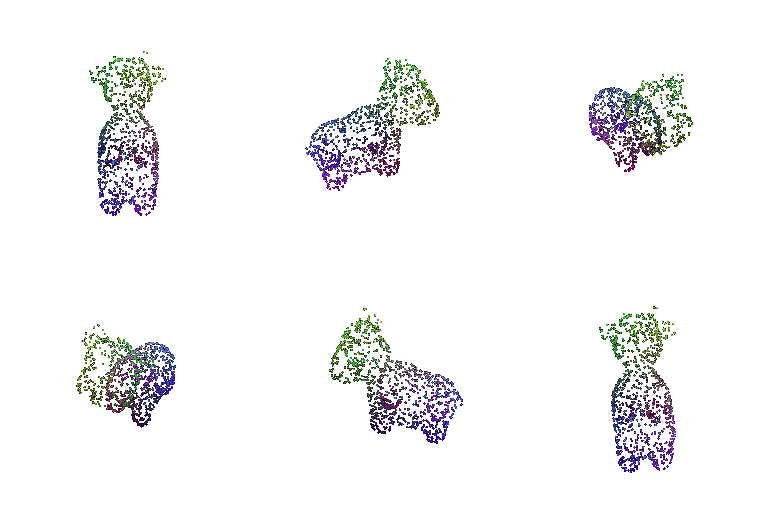 |
|
| 10000 | 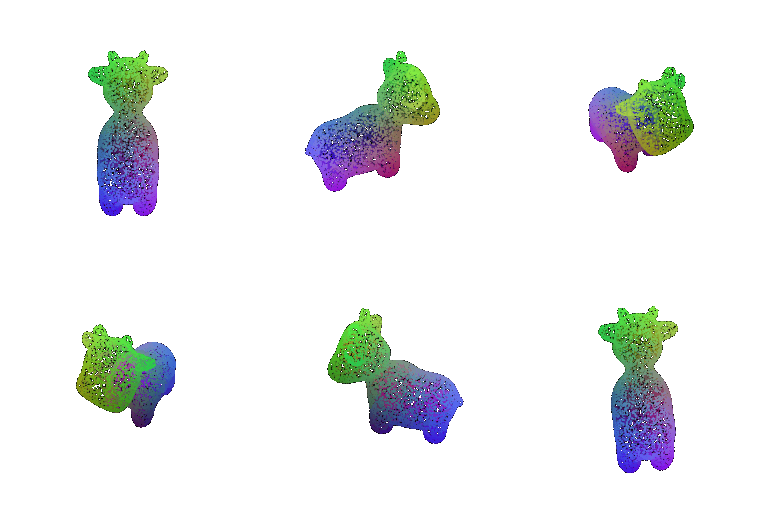 |
|