Volume Rendering, Neural Radiance Fields, and 3D Gaussian Splatting
16-825 Learning for 3D: Assignment 3
Author: Benny Zhu (haozhenz) Date: October 2026
Table of Contents
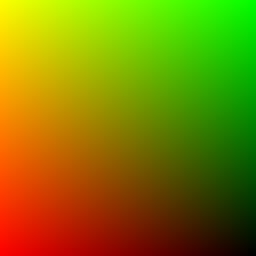
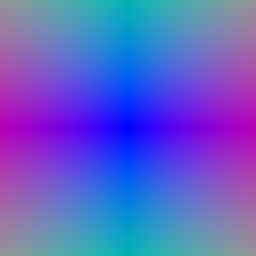
1.4 Point Sampling (5 points)
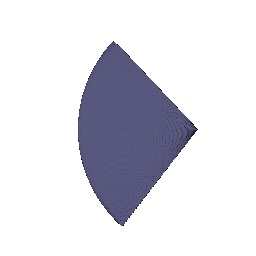
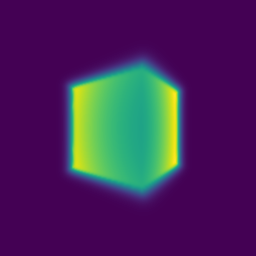
1.5 Volume Rendering (20 points)
| Color | Depth (normalized by max) |
|---|---|
 |
 |
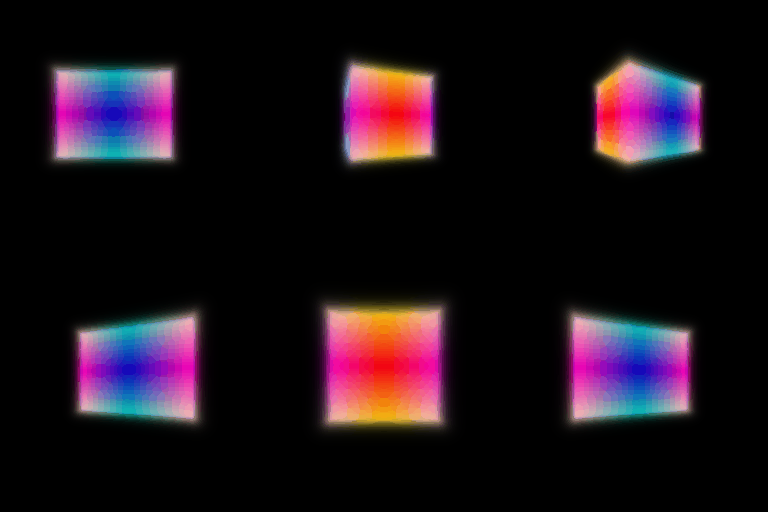
3. Optimizing a Neural Radiance Field (20 points)
python volume_rendering_main.py --config-name=nerf_lego
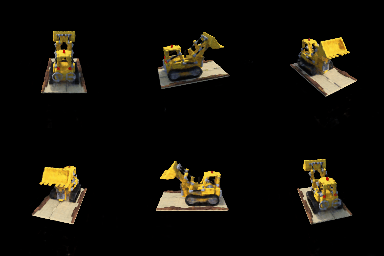
4. NeRF Extras (10 points each)
4.1 View Dependence (10 points)
python volume_rendering_main.py --config-name=nerf_materials
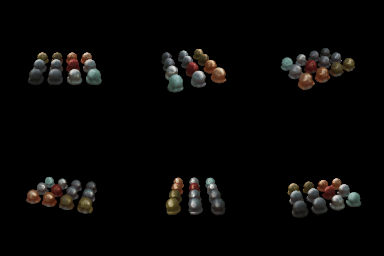
Trade-offs: Incorporating view dependence into the NeRF model allows it to capture complex lighting effects, which are essential for reflective surfaces. However, this will also increase the complexity of the model, requiring more parameters and potentially leading to overfitting.
6. Training 3D Gaussian Representations (15 points)
python train.py
| Parameter | Learning rate |
|---|---|
| Opacities | 0.01 |
| Scales | 0.001 |
| Colours | 0.01 |
| Means | 0.001 |
Number of iterations: 500
| Metric | Value |
|---|---|
| PSNR | 29.355 |
| SSIM | 0.937 |
| Training Progress |
|---|
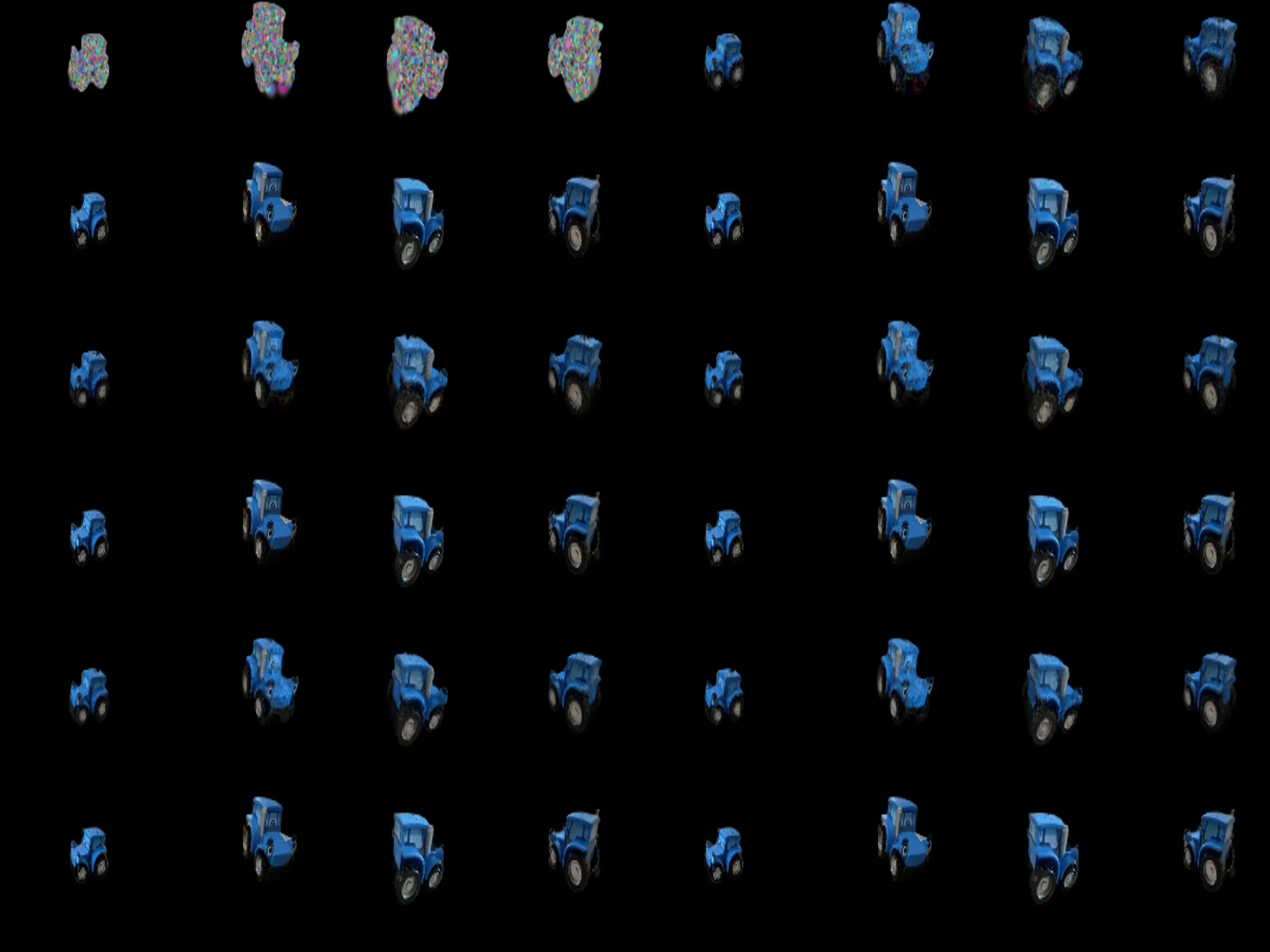 |
| Final Renders |
|---|
 |
7. Extensions (10 points each)
7.1 Rendering Using Spherical Harmonics (10 points)
python render.py
| Without SH (Q5.5) | With SH (Q7.1) |
|---|---|
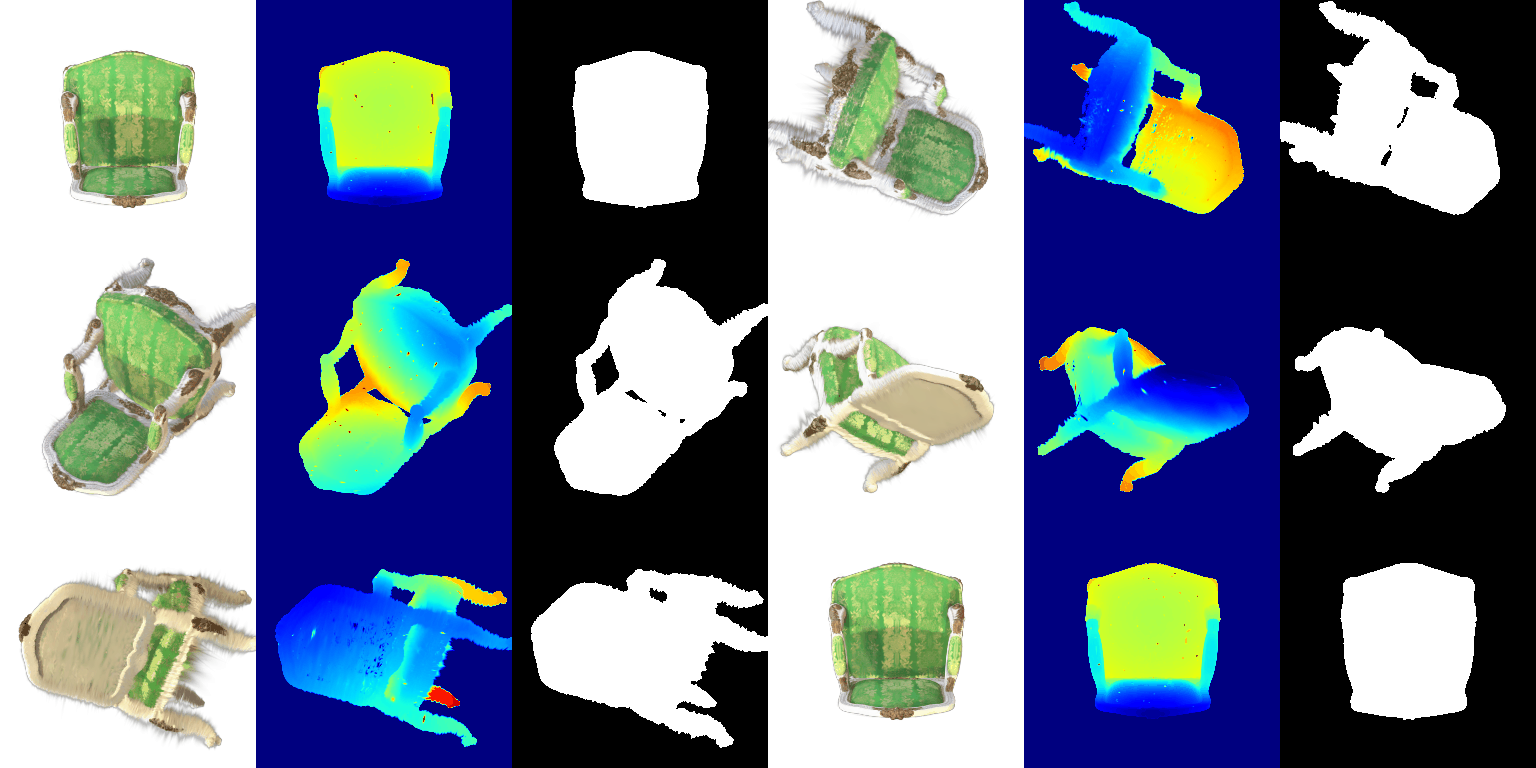 |
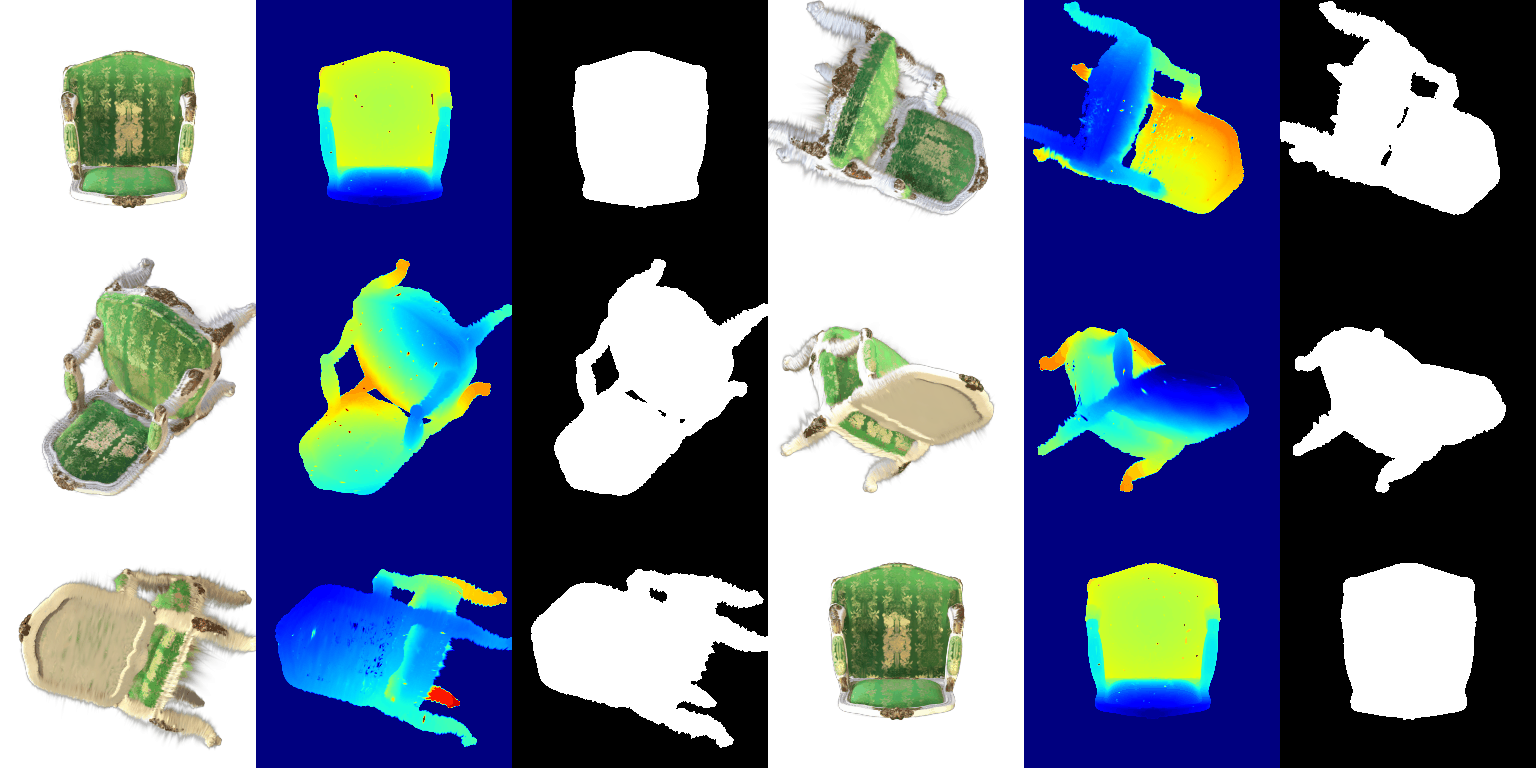 |
Side-by-side comparisons (same view):
| View | Without SH | With SH |
|---|---|---|
| 1 |  |
 |
| 2 |  |
 |
| 3 |  |
 |
If we render the chair using Spherical Harmonics, the shadow and lighting are better represented as shown in the table. This is because spherical harmonics can capture view dependent effects better, for example, reflections.